
The frustrating part about recurring yellow leaves is that watering may have been the first thing you corrected, but not the whole chain reaction. A plant can keep shedding or yellowing leaves after watering improves because excess moisture may already have damaged fine roots, and similar yellowing can also come from low light, salt buildup, nutrient problems, pests, or a root-bound pot that never wets evenly. In other words, yellow leaves are usually a symptom pattern, not a single diagnosis. (extension.umd.edu)
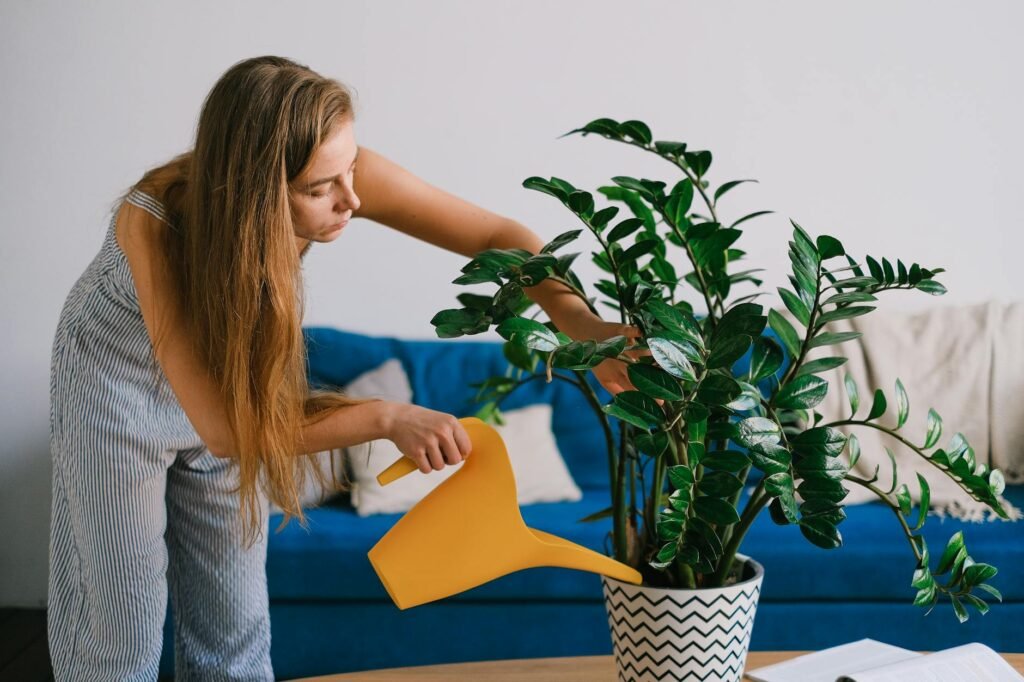
Why the yellowing returns even after watering changes
A plant does not recover on the same timeline that the soil dries out. When potting mix stays too wet, oxygen drops and fine roots can die back. Those roots do the daily work of taking up water and nutrients, so a plant may keep yellowing, wilting, or dropping leaves even after you stop overwatering. That is one reason recurring yellow leaves often show up as a lagging problem instead of an instant fix. (extension.umd.edu)
The second reason is overlap. Penn State notes that general yellowing, yellow young leaves, and yellow old leaves can be tied to different causes, including low fertility, low light, overfertilization, pot-bound roots, root rot, and normal aging. Maryland Extension also flags root rots, high soluble salts, aphids, spider mites, mealybugs, whiteflies, and scale as possible causes when foliage yellows, fades, or wilts. That is why changing watering alone often improves part of the problem but not all of it. (extension.psu.edu)
The YELLOW Reset: a 10-minute diagnosis you can do today
Use the YELLOW Reset before you repot, fertilize, or buy a rescue spray. It is a simple triage method for indoor plants and patio containers, and it can catch most repeat-yellowing problems faster than guessing. The goal is not to name every possible plant disorder. The goal is to narrow the next best action with the least risk and the least wasted money. (extension.umd.edu)
- Y = Yardstick the pattern. Are the oldest inner leaves yellowing first, or the newest leaves? Old leaves more often point to overwatering, root trouble, pot-bound stress, or a major nutrient deficiency; new leaves with green veins point more toward iron chlorosis or related micronutrient issues. (extension.umd.edu)
- E = Examine the root zone. Check moisture two inches down, lift the pot for weight, and make sure excess water is not trapped in a saucer or cachepot. Watering on a fixed schedule is less reliable than checking the mix itself. (extension.umd.edu)
- L = Light audit. If growth is stretched, the color is fading, and the plant is far from a window, low light may be the reason the plant cannot use water fast enough. If the leaves look bleached or scorched after a move, too much direct light may be the issue. (extension.umn.edu)
- L = Look for salts and pests. White crust on the pot or soil line, brown tips, and dropping lower leaves fit salt buildup. Webbing, sticky residue, cottony clusters, or tiny bumps along stems point toward mites, mealybugs, whiteflies, aphids, or scale. (extension.umd.edu)
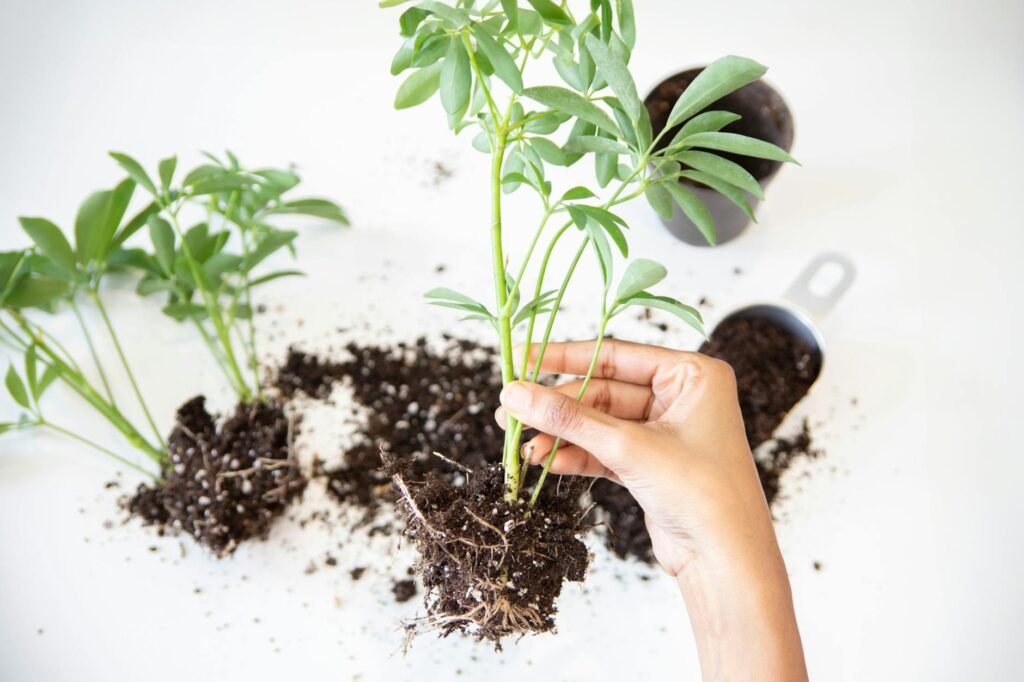
- O = Open the pot if the plant is still declining. Brown, black, or softened roots suggest root rot. A dense ring of circling roots and water that runs straight through suggest a pot-bound plant that is drying unevenly. (extension.umd.edu)
- W = Watch the next leaf, not the last damaged one. Remove leaves that are fully yellow or clearly spent, then monitor new growth over the next few weeks. If the newest leaves still emerge pale or yellow, the core problem is still active. (extension.umn.edu)
Read the pattern before you buy another fix
| What you see | Most likely issue | What to check today | Lowest-risk next step |
|---|---|---|---|
| Lower or inner leaves yellow first, soil stays wet, pot feels heavy. (extension.umd.edu) | Lingering root stress from excess moisture or poor drainage. (extension.umd.edu) | Drainage hole, saucer water, smell of the mix, root color if you slide the plant out. (extension.umd.edu) | Let the mix reach the plant’s normal dry point, empty trapped water, and repot into fresh mix only if roots are soft or blackened. (extension.umd.edu) |
| Whole plant looks pale, growth is stretched, yellowing is gradual. (extension.umn.edu) | Insufficient light. (extension.umn.edu) | Distance from window, season, whether neighboring plants in brighter spots look better. (extension.umn.edu) | Move closer to appropriate light or add a grow light before changing fertilizer. (extension.umn.edu) |
| Newest leaves yellow but veins stay green. (extension.umd.edu) | Iron chlorosis or another micronutrient availability problem, often tied to pH. (extension.umd.edu) | Whether the plant is acid-loving, recent lime use, high-pH water, or a history of recurring chlorosis. (extension.umd.edu) | Use a product labeled for indoor plants or houseplants and correct the underlying pH issue if appropriate; otherwise symptoms can recur. (extension.umd.edu) |
| Brown tips, salt crust on pot or soil, lower leaves dropping. (extension.umd.edu) | Soluble salt buildup from fertilizer or mineral-heavy water. (extension.umd.edu) | Crust around rim or drainage hole, fertilizer frequency, softened water use. (extension.umd.edu) | Leach the pot thoroughly if drainage is good, or repot and cut fertilizer strength back. (extension.umd.edu) |
| Yellowing plus webbing, stippling, sticky residue, cottony masses, or brown bumps. (extension.umd.edu) | Pest feeding. (extension.umd.edu) | Leaf undersides, stem joints, and midribs. (extension.umd.edu) | Rinse the plant, isolate it, and use a registered houseplant product only if you confirm pests. (extension.umd.edu) |
| Water runs straight through, soil dries fast, roots circle the pot, plant tips over easily. (extension.umd.edu) | Pot-bound roots. (extension.umd.edu) | Whether the root ball lifts out as a tight mass and the center stays dry. (extension.umd.edu) | Loosen roots and repot one size up, not several sizes up. (extension.umd.edu) |
A realistic example before you spend money
Say you have a 10-inch pothos on a living-room shelf. It was being watered every four days. You fix that and switch to every nine or ten days, but the plant still loses two yellow leaves a week. The easy mistake is to keep buying solutions: a $12 fertilizer, an $18 iron spray, maybe a moisture meter you never fully trust. But when you actually pull the plant from the pot, you find a tight ring of roots, soggy soil around the outside, a drier core, and several brown, mushy roots. In that case, the better spend is often basic recovery supplies: fresh potting mix for about $11 and a simple nursery pot with drainage for about $9. The recurring yellow leaves were not a sign that you guessed the wrong watering interval by a day or two. They were a sign that the root system was no longer functioning evenly. That is a diagnosis problem, not a calendar problem. (extension.umd.edu)
A low-risk recovery plan
- Stop watering by date. Check the mix instead. For most houseplants, test the top two inches and use pot weight as a second check. Water thoroughly, then let excess drain away. (extension.umd.edu)
- Eliminate hidden standing water. Empty saucers and outer pots after watering so roots are not sitting in water. (extension.umd.edu)
- Inspect the roots if yellowing continues for more than a week or if the plant wilts while the soil is still moist. Firm, pale roots are better news than dark, soft, or peeling roots. (extension.umd.edu)
- Repot only if the evidence says you should. Choose a pot just one size larger, because oversized pots can hold too much water and cause another round of root trouble. (extension.umn.edu)
- Fix light gradually. Low light slows water use, and a sudden move into hot direct sun can scorch leaves. Move the plant in stages or use a grow light. (extension.umn.edu)
- Resume feeding conservatively, and only after you see active new growth if root stress was part of the problem. Half-strength feeding is often the safer restart than a full-dose correction. (extension.umn.edu)
Common mistakes that keep the cycle going
- Treating every yellow leaf as a watering error, even when pests, salts, low light, or pot-bound roots fit the pattern better. (extension.umd.edu)
- Fertilizing to fix a yellow plant before checking whether the roots are healthy enough to use that fertilizer. (extension.psu.edu)
- Moving a shade-tolerant plant from a dim room straight into strong sun and creating a second stress problem. (extension.umn.edu)
- Repotting into a container that is far too large, which keeps the mix wet longer and can restart root problems. (extension.umn.edu)
- Ignoring the outer pot or saucer. A plant may be watered correctly from the top and still fail because water stays trapped underneath. (extension.umd.edu)
- Using softened water long term without noticing mineral buildup on the pot or soil surface. (extension.umd.edu)
If the first plan still fails
Sometimes the best version of the watering fix still is not enough because the plant has crossed into a harder recovery stage. If roots are mostly dark and mushy, stems are blackening near the base, the plant wilts in wet soil, or the foliage shows odd mottling, rings, or distorted new growth, you may be dealing with root disease, severe pest pressure, or another non-watering problem. In that case, a backup plan may be smarter than endless tweaking: take healthy cuttings if the plant allows it, discard badly rotted sections, or get a diagnosis from a local Extension service or trusted nursery before using more products. (extension.umd.edu)
Recurring yellowing in outdoor containers or landscape plants can also keep returning if the site itself stays wrong. Iron chlorosis often comes back when soil pH stays too high, and root rot problems persist in poorly drained sites even if you water less often. If the same plant repeatedly yellows in the same location, think beyond care routine and check the site: drainage, potting media, soil pH, crowding, and species fit. (extension.umd.edu)
Run a 30-day plant audit to verify the fix
- Day 1: take a clear photo from the front and side, and count how many leaves are already fully yellow. (extension.umd.edu)
- Each watering: note how many days it took for the top two inches to dry and whether the pot felt much lighter. That tells you more than a fixed schedule. (extension.umd.edu)
- Once a week: inspect leaf undersides and stem joints for webbing, cottony residue, bumps, or sticky film. (extension.umd.edu)
- Week 2 to 4: judge progress by the newest leaves and by whether new yellowing slows down. A recovering plant may still drop some previously damaged leaves while new growth improves. (extension.umn.edu)
- Day 30: if the plant is still yellowing at the same pace, slide it from the pot and inspect the roots. If roots are compromised, revise the plan instead of repeating the same watering adjustment. (extension.umd.edu)
Bottom line
When yellow leaves keep coming back after you fix watering, the practical answer is usually this: the plant is still stressed somewhere else, or the earlier watering problem already damaged the roots. Start with the YELLOW Reset, inspect the root zone before buying products, and verify success by watching new growth over the next month. That approach is slower than guessing, but it is far more reliable and usually cheaper than piling on fertilizer, supplements, or rescue sprays. (extension.umd.edu)
FAQ
How long should it take for yellowing to stop after I fix watering?
There is no single timeline, because recovery depends on how much root damage occurred and whether another issue is still active. A reasonable test is to watch the plant for two to four weeks during active growth and judge the newest leaves, not the oldest damaged ones. (extension.umd.edu)
Should I cut off yellow leaves right away?
If a leaf is fully yellow or clearly past its prime, removing it is reasonable. That will not cure the cause, but it can tidy the plant and help you track whether new damage is still appearing. (extension.umn.edu)
Can earlier overwatering still be the reason even if the soil is dry now?
Yes. Excess moisture can damage fine roots first, and those roots are what allow the plant to use water and nutrients normally. A plant may keep yellowing or wilting after the mix dries if the root system was already compromised. (extension.umd.edu)
Do yellow leaves always mean I need fertilizer?
No. Yellowing can come from low light, root rot, pests, salt buildup, pot-bound roots, or natural aging, in addition to nutrient deficiency. Feeding a stressed plant without checking those basics can add more salt stress instead of solving the problem. (extension.psu.edu)
When is it smarter to replace the plant instead of trying to save it?
If the roots are mostly mushy, the crown or stem base is collapsing, pests are severe, or symptoms suggest a more serious disease problem, replacement or propagation from healthy cuttings may be the better option. That is especially true if repeated adjustments have not changed the pace of decline. (extension.umd.edu)
References
- University of Maryland Extension: Yellowing Leaves on Indoor Plants – https://extension.umd.edu/resource/yellowing-leaves-indoor-plants
- University of Maryland Extension: Overwatered Indoor Plants – https://extension.umd.edu/resource/overwatered-indoor-plants
- University of Maryland Extension: Watering Indoor Plants – https://extension.umd.edu/resource/watering-indoor-plants
- University of Maryland Extension: Diagnose Indoor Plant Problems – https://extension.umd.edu/resource/diagnose-indoor-plant-problems/
- University of Maryland Extension: Pot-Bound Indoor Plants – https://extension.umd.edu/resource/pot-bound-indoor-plants
- University of Maryland Extension: Nutrient Deficiency of Indoor Plants – https://extension.umd.edu/resource/nutrient-deficiency-indoor-plants
- University of Minnesota Extension: Lighting for indoor plants and starting seeds – https://extension.umn.edu/node/19281
- University of Minnesota Extension: Spring houseplant care – https://extension.umn.edu/houseplants/spring-houseplant-care
- Penn State Extension: Diagnosing Poor Plant Health – https://extension.psu.edu/diagnosing-poor-plant-health
- Penn State Extension: Over-Fertilization of Potted Plants – https://extension.psu.edu/over-fertilization-of-potted-plants
- Clemson Extension HGIC: Gardenia Diseases & Other Problems – https://hgic.clemson.edu/factsheet/gardenia-diseases-other-problems/