
A plant can look respectable from across the room and still be underperforming. Older leaves may stay green for weeks or months because they were built under better conditions. New leaves are different. They are the plant’s current report card, and when they stay noticeably smaller than older leaves, that usually means something in the environment is limiting growth right now. (extension.umd.edu)
The useful part is that tiny new growth is often fixable without buying a shelf full of plant tonics. In most homes, the biggest culprits are not exotic diseases. They are ordinary issues: the plant is a little too far from the window, roots have filled the pot, watering is keeping it alive but not vigorous, the potting mix is tired, or pests are feeding on tender growth. (extension.umd.edu)
TL;DR
- If old leaves look fine but new leaves are getting smaller, treat it as a current growing-conditions problem, not proof that the whole plant is healthy. (extension.umd.edu)
- Start with light and roots. Low light and a crowded root ball explain more cases than fertilizer deficiency does. (extension.umd.edu)
- Watering that is slightly off for months can keep a plant alive while quietly shrinking new growth. Root rot can also show up as poor growth even when soil moisture seems adequate. (extension.umd.edu)
- Fertilizer helps only when the plant has enough light, healthy roots, and active growth. Too much can burn roots or create salt problems. (hort.extension.wisc.edu)
- Check the newest leaves and stems closely for mealybugs, thrips, or other sap-sucking pests before you assume the answer is plant food. (extension.umd.edu)
Why a healthy-looking plant can still make tiny leaves
Plants do not spend energy evenly. When resources are tight, they often preserve existing foliage and cut back on the next round of growth. That is why a pothos, philodendron, peace lily, ficus, or hoya can still look green and upright while the newest leaf comes out smaller, thinner, or slower to unfurl. The plant is rationing. (extension.umd.edu)
As a practical rule, compare the newest three leaves with the three before them. If each new leaf is a little smaller than the last, you are usually looking at an ongoing bottleneck. If one leaf is odd but the next one recovers, it was more likely a temporary stress event such as a dry spell, a move, a cold draft, or a rough unfurl. That comparison method is an editorial rule of thumb, but it lines up with how extensions describe light, watering, and temperature stress affecting active growth. (extension.umd.edu)
Use the SMALL Growth Audit before you do anything expensive
The SMALL Growth Audit is a simple triage tool for this specific problem. Score the category that matches your plant most closely, then fix the highest-scoring issue first for three to four weeks. The point is to stop random troubleshooting. Most struggling houseplants do not need five new products. They need one correct adjustment. (extension.umd.edu)
| Audit point | What you are seeing | Most likely bottleneck | First move |
|---|---|---|---|
| S = Sun | Older leaves look okay, stems stretch, gaps between leaves get longer, and new leaves are smaller. | Not enough usable light. Plants in lower light grow more slowly and often get leggy. (extension.umd.edu) | Move the plant closer to a brighter window or add a grow light. Then watch the next two leaves, not the current one. (extension.umd.edu) |
| M = Moisture | You water on a fixed schedule, soil is either wet too long or bone dry too often, and growth stalls. | Watering mismatch or early root stress. Root rot can also cause poor growth even when the mix is moist. (extension.umd.edu) | Water thoroughly, let excess drain, and re-water based on the soil, not the calendar. Inspect roots if the pattern has lasted more than a month. (extension.umd.edu) |
| A = Air | New leaves emerge small, thin, or damaged near heat or AC vents, especially in winter. | Low humidity or temperature stress. Excessively low or high temperatures can stop growth, and indoor air is often too dry in winter. (extension.umd.edu) | Move the plant away from registers and drafts. Use a humidifier or pebble tray for humidity-sensitive plants. (extension.umd.edu) |
| L = Limits below the soil | Roots circle the pot, grow through drainage holes, or the mix dries unusually fast. | Rootbound plant or worn-out potting mix with less air space and fewer available nutrients. (extension.umn.edu) | Repot one size up into fresh, soilless mix. Do not jump several pot sizes. (extension.umn.edu) |
| L = Leaf-tip clues | Sticky residue, cottony bits, silvery streaks, stippling, distorted tips, or crust on the soil. | Pests, salt buildup, or a nutrient uptake problem. Mealybugs can stunt growth, thrips scar tender tissue, and high alkalinity may interfere with micronutrients. (extension.umd.edu) | Inspect the newest growth with bright light. Isolate if pests are present. Flush or repot if the soil has fertilizer crust or old compacted mix. (extension.umd.edu) |
The usual causes, in the order they tend to show up
1) The plant is surviving in low light, not growing well in it
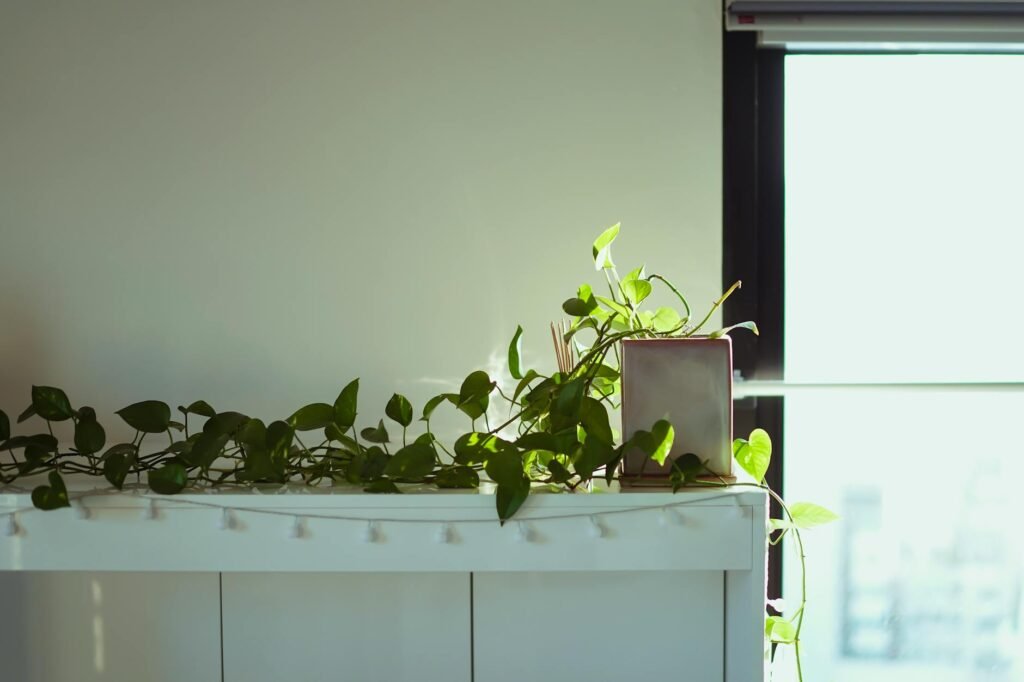
Low light is the most common reason a plant stays green but shrinks its new growth. University of Maryland calls light the most essential factor for indoor growth, and Minnesota Extension notes that low-light conditions slow growth and reduce water use. When that happens, the plant may not collapse. It simply builds less leaf. (extension.umd.edu)
The pattern matters. If the plant is also stretching toward the window, making longer stem gaps, losing variegation, or producing progressively smaller leaves at the tips, upgrade light first. For many houseplants, moving from six or seven feet away from a window to within two or three feet of bright indirect light makes a bigger difference than any fertilizer. A grow light is often a cheaper fix than repeated trial-and-error products. (extension.umd.edu)
2) Roots have run out of room, or the mix is worn out
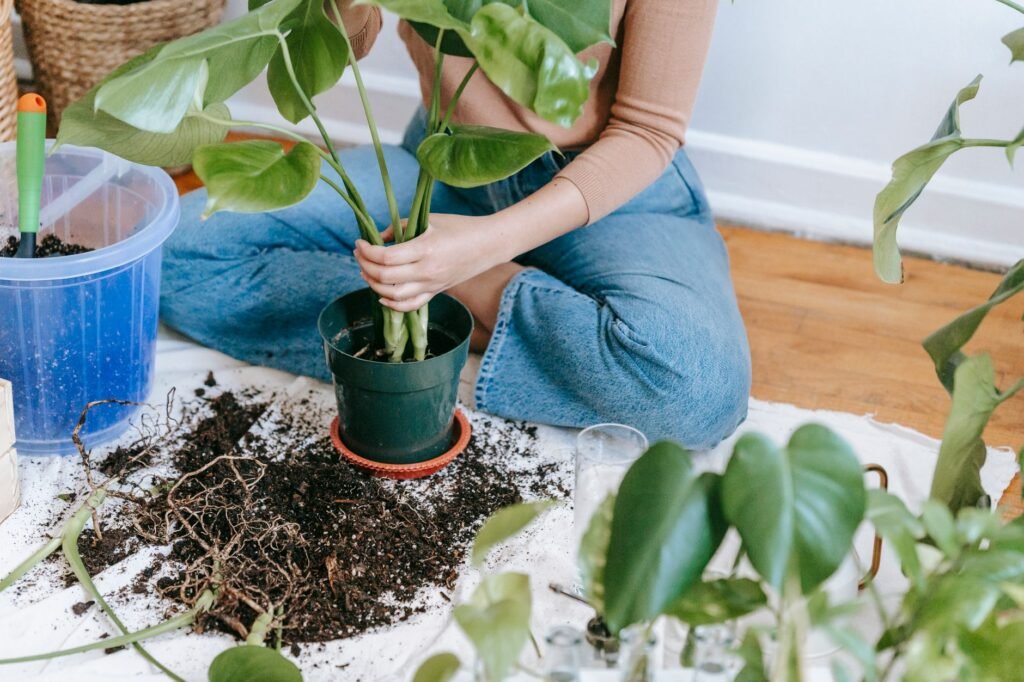
A plant that is potbound often cannot support full-size new growth because water, oxygen, and nutrients move through the root zone less efficiently. Minnesota Extension lists roots circling tightly inside the pot, roots through drainage holes, and soil that dries unusually fast as classic repotting signs. Maryland also shows potbound plants with circling roots and recommends loosening and trimming dense outer roots when repotting. (extension.umn.edu)
Repotting is not a license to use a huge new container. Extensions repeatedly warn that too much extra soil can stay wet and create root problems. Go up one size, use a porous soilless mix, and skip the old gravel-in-the-bottom trick. Maryland specifically says not to fill the bottom of the pot with gravel. (extension.umn.edu)
3) Watering is close enough to keep the plant alive, but not good enough for strong growth
A lot of houseplants sit in the gray zone between drought and health. They are watered often enough not to wilt dramatically, yet not in a way that supports steady expansion. Wisconsin notes that actively growing plants need more water than plants in slower periods, and Minnesota points out that plants in lower light use less water. That mismatch is why a fixed Sunday watering habit can quietly become the problem. (hort.extension.wisc.edu)
Chronic overwatering is especially misleading. Root rot can cause poor growth, yellowing, or wilting even when the potting mix is moist. Maryland describes brown or black, soft, mushy roots as a key sign, and Wisconsin notes that plants with root rot are often stunted and may look nutrient deficient. If the soil stays wet for a long time, the saucer stays full, or the plant smells sour when you slide it from the pot, inspect roots before you add fertilizer. (extension.umd.edu)
4) Nutrition is off, but the answer is not always more fertilizer
Plants in containers have limited soil, so they do eventually need feeding. Wisconsin recommends fertilizing during active growth, and Minnesota suggests starting gently with a balanced fertilizer at half strength every two to four weeks in spring. That said, overfertilization can burn roots and foliage. If the plant does not have enough light or the roots are impaired, more food will not fix the real bottleneck. (hort.extension.wisc.edu)
Water quality can complicate this. Penn State notes that high alkalinity can raise media pH and contribute to iron and manganese deficiency problems, and high pH can reduce micronutrient availability. In a home plant, that can show up as small, pale, unimpressive new growth even when you are feeding regularly. If you see a white crust on the soil, frequent tip burn, or pale new leaves with greener veins, flushing the pot thoroughly or repotting into fresh mix may do more than another dose of fertilizer. (extension.psu.edu)
5) The plant is spending new growth on stress
Temperature swings, dry indoor air, and sap-sucking pests can all shrink new growth. Maryland says excessively low or high temperatures may stop growth and that most indoor environments lack sufficient humidity, especially in winter. Tender new leaves are the first place you see that stress. They may emerge undersized, fail to open cleanly, or dry at the edges. (extension.umd.edu)
Pests are easy to miss because they cluster on fresh tissue. Maryland says mealybugs can cause yellowing, stunting, dieback, or death, while thrips feeding creates pale or silvery streaking and should be controlled promptly when found. If the newest leaves look scarred, twisted, or sticky, or you see cottony residue in leaf joints, isolate the plant and treat that issue first. In a heavy infestation, removal may be the most practical option. (extension.umd.edu)
A realistic household example
Consider a composite example: a peace lily in an 8-inch nursery pot sits inside a decorative cachepot about 7 feet from a west-facing window. It gets 12 ounces of water every Sunday because that feels consistent. The plant still has 14 green leaves, so it looks healthy, but the newest three leaves are about half the size of leaves made last summer. The owner is about to spend $34 on fertilizer, leaf shine, and a bloom booster. The better plan is cheaper: move it within 2 feet of brighter indirect light, take it out of the cachepot after watering so it can drain, check for circling roots, and repot to a 10-inch pot only if the root ball is packed. Once it resumes active growth, use a balanced fertilizer at half strength. In many cases, that $12 to $18 reset works better than the $34 impulse purchase. (extension.umd.edu)
A 30-minute reset that usually works
- Compare the newest two or three leaves with the previous set. If the new ones are consistently smaller, you have a live problem to solve now, not an old scar to ignore.
- Move the plant to the brightest location that fits its species, or add a grow light. Light is the first variable to test because it directly affects growth rate and water use. (extension.umd.edu)
- Slide the plant out of its pot. If roots are circling densely, growing through holes, or the mix is exhausted, repot one size up into fresh soilless mix. (extension.umn.edu)
- Reset watering. Water thoroughly until excess runs out, empty the saucer, and do not water again until the plant’s soil moisture target is reached. Wisconsin specifically advises not letting most plants stand in water. (hort.extension.wisc.edu)
- Check the newest leaves, leaf joints, and undersides with a flashlight. Look for cottony mealybugs, sticky residue, silvery streaking, or stippling before you blame nutrition. (extension.umd.edu)
- Only then decide on feeding. If the plant has healthy roots and active growth, start with half-strength balanced fertilizer instead of a heavy dose. (extension.umn.edu)
Common mistakes that keep the problem going
- Fertilizing a plant that is still sitting in weak light. That usually treats the symptom you guessed at, not the bottleneck the plant actually has. (extension.umd.edu)
- Repotting into a container that is far too large. Extra wet soil can create root trouble instead of more vigorous growth. (extension.umn.edu)
- Watering by the calendar instead of checking the mix. Plants in lower light and cooler rooms use water more slowly. (extension.umn.edu)
- Letting plants sit in drainage water. Wisconsin and Maryland both flag excess moisture as a root-rot risk. (extension.umd.edu)
- Relying on misting as the whole humidity strategy. Maryland says it is questionable whether misting really raises humidity much. (extension.umd.edu)
- Missing pests because you only inspect mature leaves. Mealybugs and thrips often show up first on soft new growth. (extension.umd.edu)
When the first fix is not enough
If you improve light, correct watering, and repot when needed but the next month of growth is still tiny, step back and look for a deeper mismatch. The plant may be in a season of slow growth, especially after winter, it may be in the wrong temperature zone near a vent or draft, or it may have a root problem that was worse than it looked from the top. Minnesota and Wisconsin both note that many houseplants slow down in winter, which changes both growth and water needs. (extension.umn.edu)
This is also the point where replacement can be a reasonable backup plan. If a common plant has severe root rot or a heavy thrips or mealybug infestation, repeated rescue attempts can cost more in time and supplies than a clean restart. That is not failure. It is a sensible household decision. Maryland specifically notes that heavily infested plants may need to be discarded, and Wisconsin says throwing out a badly root-rotted plant is often the most cost-effective option. (extension.umd.edu)
How to verify that your fix is working
Do not judge success by the leaf that is already forming. Judge it by what comes next. Use a simple pressure test: the next two leaves should be at least as large as the ones before them, internode spacing should stop stretching, and the plant should look less stressed between waterings. If you changed only one main variable, you can trust the result. If not, keep auditing. This verification method is an editorial test built from the growth patterns extension sources describe for light, root health, and watering. (extension.umd.edu)
- Good sign: the next new leaf is larger, thicker, or opens more cleanly than the last one.
- Good sign: the soil is drying at a more predictable pace after you corrected light or repotted.
- Bad sign: new leaves stay distorted, sticky, or silvered. Recheck for pests. (extension.umd.edu)
- Bad sign: growth stalls while the soil stays wet for too long. Recheck roots and drainage. (extension.umd.edu)
Bottom line
When a plant looks healthy but keeps making small new leaves, believe the new growth. In most homes, the fix is not a miracle supplement. It is better light, healthier roots, steadier watering, a more sensible feeding plan, or a closer look for pests. Start with the SMALL Growth Audit, change one major variable at a time, and grade the result by the next two leaves. That approach is slower than guessing, but it is usually cheaper and much more reliable. (extension.umd.edu)
FAQ
Can a small new leaf get bigger later?
In most cases, not very different; if the leaf reaches full size after it has finished unfurling, then an undersized leaf remains smaller than normal; therefore, future growth will play a larger role in recovery than will the current growth.
Should I fertilize as soon as I notice tiny new leaves?
Not automatically. Feed only after you rule out weak light, root crowding, watering problems, and pests. Extensions recommend fertilizing during active growth, but they also warn that overfertilizing can burn plants. (hort.extension.wisc.edu)
How long does it take to see improvement?
For many actively growing houseplants, you should judge the fix by the next one or two leaves, which often means several weeks rather than several days. In winter or low light, recovery can take longer because growth is naturally slower. (extension.umn.edu)
Does repotting always solve small new growth?
No. Repotting helps when the plant is rootbound or the mix is worn out. If the real problem is light, cold drafts, or pests, a larger pot alone will not solve it and can even make watering harder if the pot is too big. (extension.umn.edu)
What pests are most likely to shrink or distort new growth indoors?
Mealybugs and thrips are common suspects. Mealybugs can stunt growth and leave sticky honeydew, while thrips can cause pale or silvery streaking and scar soft tissue. (extension.umd.edu)
When should I stop trying to rescue the plant?
If the roots are mushy through most of the pot, new growth stays distorted after reasonable corrections, or pests keep spreading to nearby plants, replacement may be the better household choice. Wisconsin and Maryland both note that severely affected plants may be best discarded. (hort.extension.wisc.edu)
References
- University of Maryland Extension: Low Light Impacts on Indoor Plants – https://extension.umd.edu/resource/low-light-impacts-indoor-plants/
- University of Minnesota Extension: Lighting for indoor plants and starting seeds – https://extension.umn.edu/planting-and-growing-guides/lighting-indoor-plants
- University of Minnesota Extension: Spring houseplant care – https://extension.umn.edu/houseplants/spring-houseplant-care
- University of Maryland Extension: Root Rots of Indoor Plants – https://extension.umd.edu/resource/root-rots-indoor-plants/
- Wisconsin Horticulture: Root Rots on Houseplants – https://hort.extension.wisc.edu/articles/root-rots-houseplants/
- Wisconsin Horticulture: Houseplant Care – https://hort.extension.wisc.edu/articles/houseplant-care/
- University of Maryland Extension: Mealybugs on Indoor Plants – https://www.extension.umd.edu/resource/mealybugs-indoor-plants
- University of Maryland Extension: Thrips in Home Gardens – https://extension.umd.edu/resource/thrips-home-gardens
- University of Maryland Extension: Temperature and Humidity for Indoor Plants – https://extension.umd.edu/resource/temperature-and-humidity-indoor-plants
- Penn State Extension: Interpreting Irrigation Water Tests – https://extension.psu.edu/interpreting-irrigation-water-tests/