
Fungus gnats are annoying, but the expensive mistake usually is not the bug itself. It is the panic response: buying sprays for the air, trying random home remedies, or repotting everything at once and stressing plants that were otherwise salvageable. Extension guidance points to a simpler approach. The adults are mostly the nuisance; the breeding problem is damp potting mix, especially near the surface where eggs and young larvae do well. That means the safest fix is usually a mix of drier surface conditions, adult monitoring, and larval control only when the infestation actually calls for it. Done well, most home outbreaks can be brought down over a few weeks without turning a healthy plant into a drought experiment. (ipm.ucanr.edu)
TL;DR
- Treat the soil, not just the flyers: sticky traps help, but they catch adults, while larvae in moist media are the stage that can bother roots. (ipm.ucanr.edu)
- For most plants, let the top 1 to 2 inches dry before watering again. For plants that prefer evenly moist soil, use a shorter dry-down and bottom-water so the surface stays drier without stressing roots. (extension.colostate.edu)
- Potato slices and yellow sticky cards are cheap ways to confirm whether larvae are still present and whether adult numbers are actually falling. (hort.extension.wisc.edu)
- If gnats keep cycling, use a larval product containing Bti or consider Steinernema feltiae nematodes, and only use products labeled for indoor houseplant use. (epa.gov)
First, make sure you actually have fungus gnats
A lot of people call every tiny indoor fly a fungus gnat. Real fungus gnats usually hover near pots, windows, or lights, and the adults are weak fliers with long legs and antennae. Fruit fly traps are a poor match here; Wisconsin Extension notes that vinegar traps used for fruit flies do not work well for fungus gnats. If you are unsure, tap the pot, watch for adults lifting off, and set a yellow sticky card near the foliage or at pot level. For larvae, lay a raw potato slice on the soil and check the underside after three to four days. (hort.extension.wisc.edu)
If the insects do not match the usual mosquito-like look, or the plant is declining fast, get a better diagnosis before treating. UC IPM notes that sticky traps catch many insects, and identification matters before you act. (ipm.ucanr.edu)
Use the GPS: Gnat Pressure Score
Before purchasing anything else other than sticky traps; evaluate your situation. the gnat pressure score is a consultant-designed tool available for the home gardener to determine moisture levels, determine whether you need to monitor for gnat larvae, and assess your risk as it relates to moisture and potential plant damage. this tool was developed using cooperative extension service recommendations. this is not a university recommended action threshold. the point of this tool is to assist you in determining whether a simple watering adjustment is sufficient or if you need to move forward with controlling gnat larvae.
| Sign | Points | Why it matters |
|---|---|---|
| Adults lift off when you tap the pot. | 1 | That suggests an active pot-based infestation rather than a random stray fly. (extension.umn.edu) |
| A sticky card catches 5 or more adults in 7 days. | 1 | The 5-gnat number is this article’s rule of thumb; the key is that sticky cards are useful for tracking whether numbers are rising or falling. (hort.extension.wisc.edu) |
| The top inch is still moist on day 4. | 1 | Moist surface conditions favor egg laying and larval survival. (extension.colostate.edu) |
| A potato slice shows larvae after 3 to 4 days. | 1 | That confirms larvae are active in the potting mix. (hort.extension.wisc.edu) |
| The plant is a seedling, fresh cutting, or already declining. | 1 | Young or stressed plants have less room for root feeding and wet-soil stress. Seedlings are the most vulnerable group. (ipm.ucanr.edu) |
How to read the score: 0 to 1 means start with watering correction and traps. A 2 to 3 means do the full reset below. A 4 to 5 means isolate the pot, move quickly on larval control, and inspect for root trouble if the plant is wilting even though the mix is still moist. UC IPM notes that wet-soil wilting is often caused by other root problems as well, so do not assume a droopy plant simply needs more water. (ipm.ucanr.edu)
A root-safe reset for most houseplants
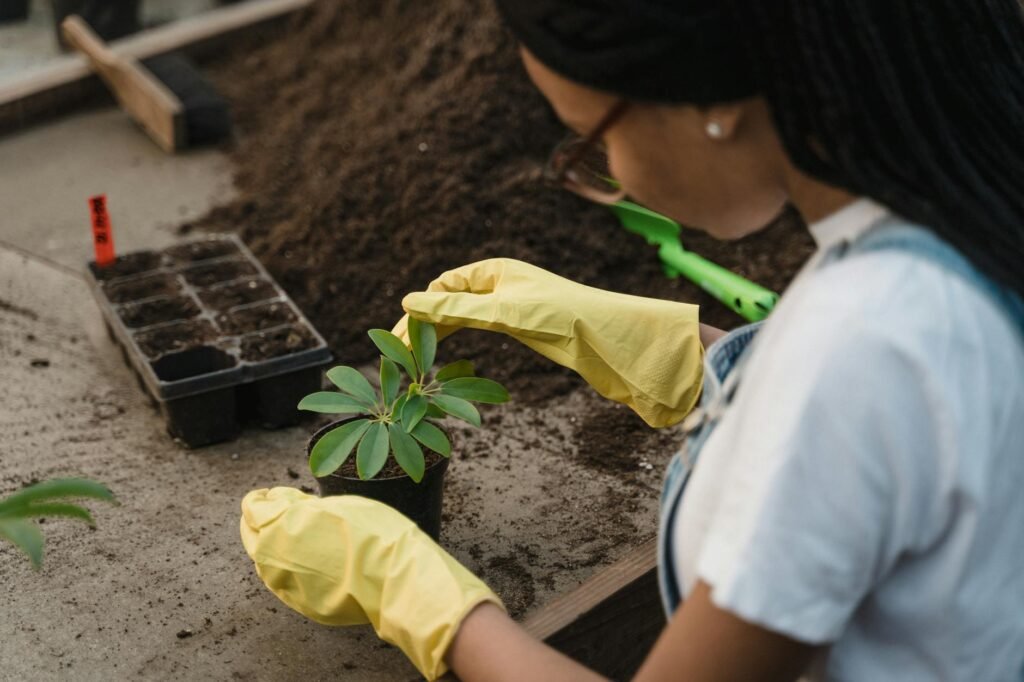
The mistake that hurts plants is treating every species like a cactus. You want the soil surface dry enough to interrupt the gnat cycle while still meeting the plant’s actual watering needs. For most mature houseplants, that means adjusting the top layer and the watering rhythm, not forcing the entire root ball bone-dry. (hort.extension.wisc.edu)
- Isolate the obvious problem pots and place a yellow sticky card in or just above each pot. Replace or count the card once a week so you can see whether the population is actually dropping. Sticky traps help catch adults, but they work best as a monitor, not a stand-alone cure. (hort.extension.wisc.edu)
- Let the top 1 to 2 inches dry before watering again if the plant tolerates that approach. If the plant usually prefers evenly moist soil, shorten the dry-down and water from the bottom so the surface stays drier while roots still get moisture. (extension.colostate.edu)
- Remove dead leaves, fallen petals, rotting bulbs, and other debris from the soil surface. Empty saucers after watering, and do not let a pot sit in water unless that plant specifically needs it. Decaying material and persistently wet media make the pot more inviting to gnats and harder on roots. (extension.colostate.edu)
- If the plant can handle it, top-dress the soil with about 1/2 to 1 inch of coarse sand or fine gravel. This helps keep the surface drier and less appealing for egg laying. Keep the crown uncovered so you do not trap moisture against stems. (hort.extension.wisc.edu)
- If sticky counts remain high or potato slices still show larvae, add a larval treatment containing Bti and reapply on the schedule listed on the label. Wisconsin Extension notes that several applications spaced five to seven days apart are often needed. A Bti product is not the same as Bt for caterpillars; UC IPM specifically notes that the caterpillar version will not control fly larvae. (hort.extension.wisc.edu)
What this looks like in a real apartment
Say you have eight houseplants in a one-bedroom apartment and three are clearly involved. A sticky card by one mature foliage plant catches 12 adults in a week, another pot catches 6, and a rooted cutting catches 4. The top inch of mix in all three pots is still damp on day 5, and the cutting shows larvae under a potato slice. On the GPS scale, that is a 3 for the mature plant, a 3 for the second pot, and a 4 for the cutting. The cutting is the plant to protect first because young roots have less margin for error. In that setup, do not spend first on an adult spray. Isolate the three pots, change watering timing, add sticky cards to all three, use Bti on the cutting right away, and use it on the other two if trap counts are not clearly down after the first week. If each plant would cost, say, $25 to $40 to replace, saving even two of them may cost less than repeated panic repotting or losing a rooted starter. (ipm.ucanr.edu)
Pick the right move for the plant in front of you
| Situation | Best first move | What to avoid | Escalate when |
|---|---|---|---|
| Mature, established houseplant with a few adults and no obvious leaf decline | Dry the top inch before watering again, add a yellow sticky card, and clean debris from the soil surface. (hort.extension.wisc.edu) | Vinegar traps or leaf sprays as your only plan. (hort.extension.wisc.edu) | If trap counts stay elevated after about 2 weeks or potato slices still show larvae. (hort.extension.wisc.edu) |
| Plant that prefers more consistent moisture | Use a shorter dry-down, bottom-water, and consider a sand or gravel top-dressing sooner. (hort.extension.wisc.edu) | Letting the whole pot stay soaked or, on the other extreme, forcing a prolonged drought. (hort.extension.wisc.edu) | If the surface cannot stay drier without stressing the plant, move to Bti. (epa.gov) |
| Seedlings, props, or fresh cuttings | Move faster: isolate, monitor, and use a larval control sooner because young roots are more vulnerable. (ipm.ucanr.edu) | Waiting several weeks to ‘see what happens’ while the mix stays wet. (ipm.ucanr.edu) | At the first sign of continued larval activity or stalled growth. (ipm.ucanr.edu) |
| Soil stays wet 5 or more days, pot has no drainage, or media feels broken down | Repot into fresh, well-draining houseplant mix and use a pot with drainage; size up only if the plant truly needs it. (extension.colostate.edu) | Moving the plant into a much larger pot, which can hold excess wet soil around roots. (hort.extension.wisc.edu) | If the pot keeps breeding gnats even after watering changes. (extension.colostate.edu) |
| Infestation keeps returning after 3 to 4 weeks | Inspect roots, review watering, quarantine new additions, and consider Bti or Steinernema feltiae nematodes. (hort.extension.wisc.edu) | Assuming the bugs are the only issue if the plant is still wilting in wet soil. (ipm.ucanr.edu) | If adult counts drop but plant health continues to decline. (ipm.ucanr.edu) |
Common mistakes that keep the cycle going
- Using vinegar traps made for fruit flies. Wisconsin Extension says they do not work well for fungus gnats. (hort.extension.wisc.edu)
- Celebrating fewer flyers and ignoring the soil. Adult sprays and traps do not directly solve larvae in the potting mix. (extension.colostate.edu)
- Letting pots sit in a saucer of water. That prolongs wet soil and can stress roots. (hort.extension.wisc.edu)
- Repotting into a much larger pot. Wisconsin houseplant care notes that oversized pots hold extra wet soil and can encourage root problems. (hort.extension.wisc.edu)
- Skipping quarantine for new plants or summered-out plants coming back indoors. New arrivals are a common way gnats hitchhike in. (ipm.ucanr.edu)
- Using any Bt product already on the shelf. Bt for caterpillars is not the same as Bti for fungus gnat larvae. (ipm.ucanr.edu)
When the usual fix still fails
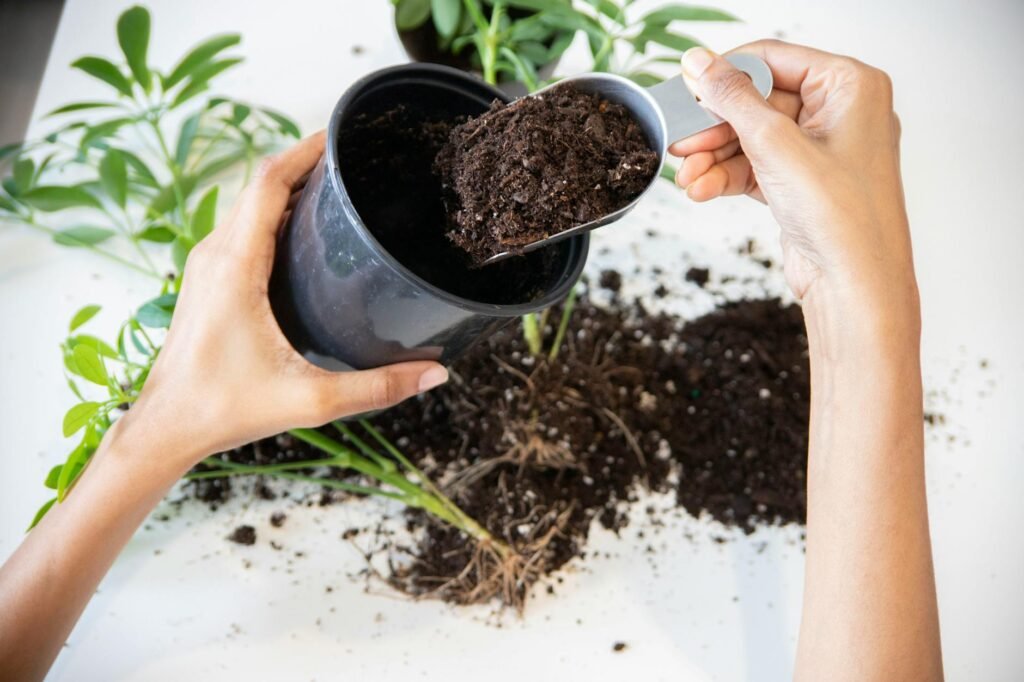
Sometimes the standard plan stalls for a simple reason: the pot is set up to stay wet. If the mix has broken down, the pot has poor drainage, or the root ball is sitting in an oversized container, gnats have a recurring breeding site. In that case, repot into fresh, well-draining houseplant mix and a pot just one size larger if the plant truly needs more room. Colorado State also notes that aging media can hold more moisture and attract egg-laying adults. (hort.extension.wisc.edu)
Moisture-sensitive plants and moisture-loving plants need different handling. Wisconsin houseplant guidance divides plants broadly into those that prefer evenly moist soil and those watered when dry to the touch. If yours falls in the first group, lean more on bottom watering, top-dressing, traps, and Bti than on long dry-downs. If yours falls in the second group, a firmer dry surface is usually easier to achieve without stress. (hort.extension.wisc.edu)
If you are dealing with seedlings, propagation boxes, or repeated outbreaks in a collection of valuable plants, biological backups make more sense. UC IPM and Colorado State both point to Steinernema feltiae nematodes as an effective larval control. They are more work than sticky cards, but they are useful when you cannot let the medium dry much or when the same room keeps cycling through new adults. (ipm.ucanr.edu)
If the plant keeps wilting in wet soil, or yellowing worsens even as adult counts fall, stop assuming the gnats are the only issue. UC IPM notes that too much or too little water, root decay fungi, poor drainage, and other root problems are more common causes of wilt than severe fungus gnat damage in home settings. At that point, inspect roots, trim rot if needed, and reassess the mix and drainage rather than doubling down on more insect products. (ipm.ucanr.edu)
Any pesticide or biological product must be labeled for your use case, such as indoor houseplants. UC IPM specifically says not to fog indoors or try to spray adults in flight. Follow the label and treat the potting media or plant surfaces only as directed. (ipm.ucanr.edu)
How to audit whether the plan is working
You know the plan is working when the data changes, not when the room just feels calmer for a day. A home audit can stay simple and still be useful.
- Count adults on each sticky card once a week and write the number on the card. Trend matters more than a one-day snapshot. (ipm.ucanr.edu)
- Retest problem pots with a potato slice after one week and again after two to three weeks if needed. Fewer or no larvae is better evidence than seeing fewer adults on a window. (hort.extension.wisc.edu)
- Track dry-down time. If the top inch still stays wet for four to five days in normal room conditions, your mix or container setup may be the real reason the infestation keeps returning. (extension.colostate.edu)
- Watch the plant, not just the bugs. New wilt in wet soil, yellowing, or a sour-smelling mix points to a root problem that needs a different fix. (ipm.ucanr.edu)
- Quarantine every new plant for one to two weeks before it joins the rest of the collection. That is cheaper than treating the entire shelf later. (hort.extension.wisc.edu)
Bottom line
The lowest-risk way to stop fungus gnats is to break the moist-soil breeding cycle, not to wage war on every flying adult. Start with surface dry-down, sticky-card tracking, and cleanup. Use Bti or nematodes when larvae are clearly present or the plant is too valuable or too moisture-sensitive to wait. If the pot stays wet for days or the plant declines in wet soil, treat the container setup and roots as seriously as the insects. (hort.extension.wisc.edu)
FAQ
How long does it usually take to get rid of fungus gnats in houseplants?
In home conditions, Wisconsin Extension notes it can take about three to four weeks of adjusted watering and surface management to get fungus gnats under control, because eggs, larvae, pupae, and adults can overlap. If you are only trapping adults, expect slower results. (hort.extension.wisc.edu)
Do I need to repot every infested plant?
No. If the mix drains well and the plant can tolerate a corrected watering routine, many infestations clear without repotting. Repotting makes more sense when the media has broken down, the pot lacks drainage, or the soil stays wet for days. (extension.colostate.edu)
Are sticky traps enough on their own?
Sometimes for a very light infestation, but not reliably. Sticky traps capture flying adults, while larvae remain in the medium. UC IPM says traps work best in combination with plant inspection and other controls. (ipm.ucanr.edu)
Is Bti the same as the Bt spray I use on outdoor caterpillars?
No. EPA explains that Bti targets larvae of mosquitoes, blackflies, and fungus gnats, and UC IPM notes that the Bt products used for caterpillars are a different subspecies and are not effective against fly larvae. (epa.gov)
Why do fungus gnats keep coming back after I think they are gone?
The usual reasons are simple: the soil surface is still staying wet, the potting mix is old and moisture-retentive, a new plant brought the pest back in, or you reduced adults without hitting larvae. Outdoor plants moved back indoors are another common source. (extension.colostate.edu)
References
- UC IPM: Fungus Gnats – https://ipm.ucanr.edu/PMG/PESTNOTES/pn7448.html
- Colorado State University Extension: Fungus Gnats as Houseplant and Indoor Pests – https://extension.colostate.edu/resource/fungus-gnats-as-houseplant-and-indoor-pests/
- Wisconsin Horticulture: Fungus Gnats on Houseplants – https://hort.extension.wisc.edu/articles/fungus-gnats-on-houseplants/
- Wisconsin Horticulture: Houseplant Care – https://hort.extension.wisc.edu/articles/houseplant-care/
- UC IPM: Monitoring with Sticky Traps – https://ipm.ucanr.edu/agriculture/floriculture-and-ornamental-nurseries/monitoring-with-sticky-traps/
- UC IPM: Fungus Gnats in Floriculture and Ornamental Nurseries – https://ipm.ucanr.edu/agriculture/floriculture-and-ornamental-nurseries/fungus-gnats/
- US EPA: Bti for Mosquito Control – https://www.epa.gov/mosquitocontrol/bti-mosquito-control
- US EPA: Labels for MOSQUITO BITS (6218-86) – https://ordspub.epa.gov/ords/pesticides/f?p=PPLS%3A102%3A%3A%3ANO%3A%3AP102_REG_NUM%3A6218-86