
TL;DR
- Brown tips are a symptom, not a diagnosis. Common causes include watering stress, salt buildup, low humidity, water-quality issues, heat or drafts, root crowding, and pests. (ipm.ucanr.edu)
- True disease is less common on indoor plants than many owners assume, so dry, crisp tips usually call for a growing-conditions check before fungicide or a hard prune. (hgic.clemson.edu)
- Use the TIPS Triage in this article: Tissue pattern, Irrigation reality, Pot and salts, and Surroundings and species. If two parts point to the same cause, address that first.
- Trim brown tissue only for appearance; it will not turn green again, and trimming without fixing the cause just resets the problem. (extension.colostate.edu)
- Check roots and drainage before blaming humidity. A plant that dries out too fast or stays wet too long may be root-bound or rotting. (extension.umd.edu)
- Judge your fix by the next leaves, not the old damage. That is the simplest way to avoid wasting money on unnecessary fertilizer, soil, sprays, or replacement plants. (extension.colostate.edu)
Brown leaf tips make people do two expensive things: cut first and diagnose later, or start buying fertilizer, soil, humidifiers, and replacement plants in the wrong order. The better move is to treat the tip like evidence. On houseplants, browning at the end of the leaf is commonly tied to moisture stress, soluble salts from fertilizer or water, low humidity, heat or drafts, water-quality issues, root problems, or pests. (ipm.ucanr.edu)
Start with the pattern, not the scissors
A clean, dry tip means something different from a water-soaked spot, a one-sided scorch, or a speckled leaf with webbing. That distinction matters because fungal and bacterial diseases are not the default on indoor plants. Extension sources say diseases are less common indoors, while environmental conditions and care problems are more common causes of decline. (hgic.clemson.edu)
As a working rule, read brown tips in this order: pattern, soil moisture, fertilizer and water history, root space, then location and pests. That sequence keeps you from trimming away the clue before you have used it. (ipm.ucanr.edu)
The TIPS Triage: a four-part read before you trim
When making any purchase or cutting, always use the original four check parts: (1) check tissue pattern, (2) check irrigation reality, (3) check pot and salts, and (4) check surroundings and species. The basic principle is simply that if two (**or more**) parts of a given check point to the same problem, correct that issue first and wait for another full growing season before taking corrective actions such as potting up, applying pest control products, or replacing your plant.
| What you see | Most likely meaning | Check next | Smart first move |
|---|---|---|---|
| Crispy brown tip, rest of leaf still mostly green | Often low humidity, inconsistent watering, or water-quality sensitivity rather than disease | Feel soil 1 to 2 inches down, compare pot weight, note vents, and note whether the plant is one that commonly gets tip burn | Fix watering first, raise humidity around the plant, and consider a different water source for sensitive plants. (yardandgarden.extension.iastate.edu) |
| Brown edges plus white crust on soil or pot rim | Salt buildup from fertilizer or minerals in water | Review feeding frequency and water source; look for residue on the pot or soil | Leach the potting mix, cut back fertilizer, and repot if buildup is heavy. (yardandgarden.extension.iastate.edu) |
| One side looks scorched, especially by glass or a vent | Heat, direct sun, or draft stress | Check the plant’s window side, nearby vent, door, or AC path | Move it slightly, soften direct sun, and stabilize temperature swings. (ipm.ucanr.edu) |
| Speckling, sticky residue, bronzing, or fine webs | Pests are more likely than dry air alone | Inspect undersides of leaves and stem joints | Isolate the plant and confirm pests before changing everything else. (extension.msstate.edu) |
| Plant wilts even though soil stays wet | Root rot or poor drainage may be driving the browning | Slide the plant out and inspect roots and the stem base | If roots are brown or black and mushy, recovery may be limited and drainage must be fixed immediately. (extension.umd.edu) |
| Water runs straight through, roots circle the pot, tips keep browning | Root-bound plant that cannot rewet evenly | Look for roots at drainage holes and a tight root mass | Repot one size up and loosen circling roots. (extension.umd.edu) |
A realistic example: the plant that looked thirsty but was not
A household has a $24 spider plant in an 8-inch hanging pot. It gets 1 cup of water every Saturday, sits three feet from a heat vent, and has been fed full-strength liquid fertilizer once a week for six weeks because the owner assumed brown tips meant hunger. The rim of the pot now has a pale crust, and the plant looks dry again by midweek.
Under the TIPS Triage, two letters point to the same place fast: I for inconsistent moisture and P for salt buildup. The cheapest first fix is not a bigger shopping list. It is to flush the potting mix, pause feeding, stop watering strictly by the calendar, and move the plant away from forced air. If the next leaves emerge cleaner, the diagnosis was probably sound; if not, then it is time to inspect roots or water quality. (yardandgarden.extension.iastate.edu)
What to do before you cut
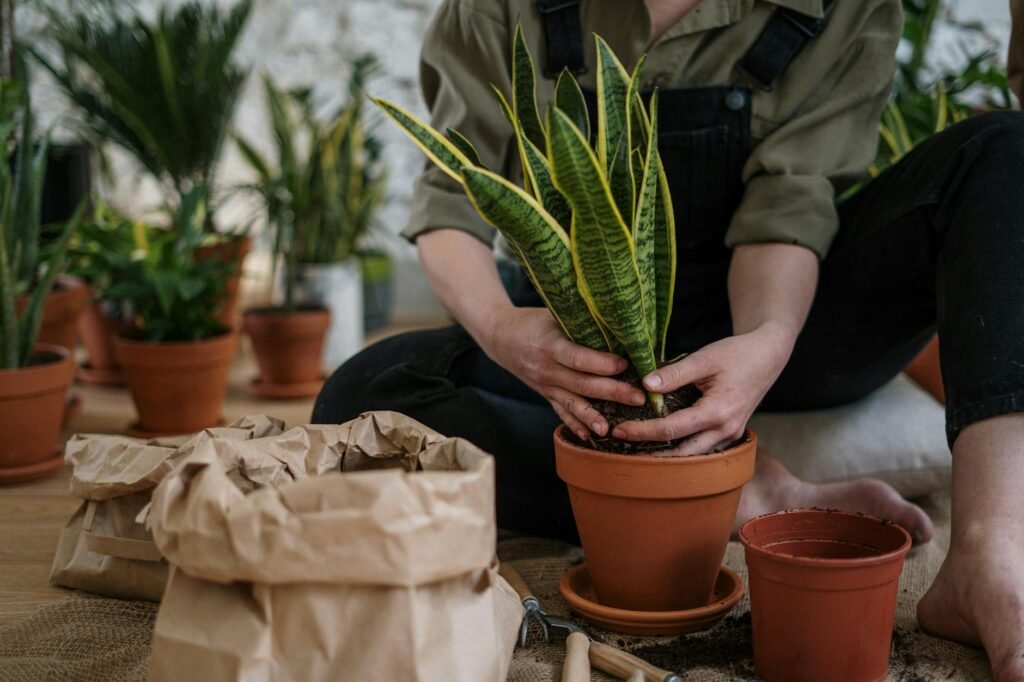
- Check soil before you check your memory. Insert a finger 1 to 2 inches into the mix and learn the difference between a freshly watered pot and a dry one by weight. A light pot with brown tips points in a different direction than a heavy pot with drooping foliage. (extension.wsu.edu)
- Review the last month of inputs. Brown tips often show up after inconsistent watering, excess fertilizer, or a change in water source, especially on sensitive plants such as spider plant, dracaena, prayer plant, and calathea. (yardandgarden.extension.iastate.edu)
- Inspect the easy places people skip: leaf undersides, stem joints, and the area where the pot drains. Spider mites and other houseplant pests often hide on the undersides of leaves and can turn foliage speckled, bronzed, brown, or webbed. (extension.msstate.edu)
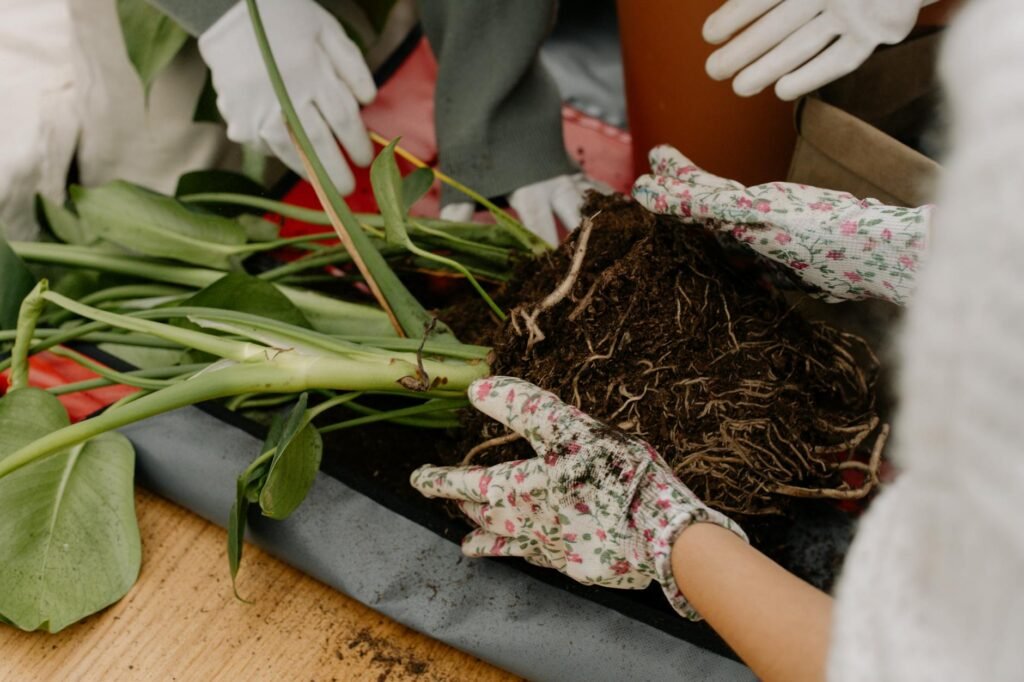
- If the plant dries unusually fast, stays wet too long, or water rushes through without soaking in, slip it partly out of the pot and look for a tight root mass or mushy roots. Pot-bound plants and rotting roots can both create tip burn, but they need opposite fixes. (extension.umd.edu)
- Only after that should you groom the leaf. Use sharp scissors to trim dry brown tips for appearance, following the leaf’s natural shape. If you suspect disease or are moving from one plant to another, disinfect tools between plants. (extension.umd.edu)
- Do not expect the old brown section to heal. Browned tissue will not turn green again, so the real test is whether new growth comes in cleaner after you correct the cause. (extension.colostate.edu)
Warning: If the soil is wet, the crown is soft, or the roots are brown or black and mushy, stop cosmetic trimming and inspect immediately. At that point you may be dealing with root rot, not ordinary dry tips. (extension.umd.edu)
When the first fix does not solve it
The brown tips may result from multiple stresses. A plant may be both rootbound as well as suffering from high salinity levels. Additionally, a plant may experience cold, dry winter air while at the same time having inconsistent watering practices. If you are able to correct the watering and humidity issues, but the browning is still occurring on new leaves, you may need to check the roots to see if they require repotting.
If roots are mostly soft, dark, or foul-smelling, recovery may be limited, and discarding the plant can be smarter than pouring more products into it. For plants that root readily from healthy stem cuttings, salvaging clean top growth may be the backup plan. (extension.umd.edu)
Common mistakes that keep brown tips coming back
- Watering on a fixed day instead of reading the soil and pot weight. Houseplants do not use water at the same speed in January, July, bright windows, and dim corners. (extension.wsu.edu)
- Adding more fertilizer to a stressed plant because brown tips look like a deficiency. Excess fertilizer and other soluble salts are a documented cause of tip burn. (yardandgarden.extension.iastate.edu)
- Blaming every brown tip on low humidity. Dry air is common, but so are overwatering, underwatering, salts, heat, drafts, and water-quality issues. (ipm.ucanr.edu)
- Ignoring the pot itself. Roots coming out of drainage holes, crust on the rim, or water racing through the pot are strong clues that the problem is below the leaf. (montana.edu)
- Treating a pest problem like a watering problem. Fine webbing, stippling, or sticky residue should push you to inspect for mites or other sap-feeding pests. (extension.msstate.edu)
- Leaving a houseplant standing in water. Constantly wet roots invite rot and can turn a cosmetic issue into a plant-loss issue. (extension.okstate.edu)
How to pressure-test your diagnosis
- Photograph the newest leaf now. Old damage is permanent, so your best indicator is whether the next leaf or two opens with cleaner edges. That is an inference based on how leaf scorch behaves and on extension guidance that trimming does not solve the cause. (extension.colostate.edu)
- Keep a two-line log for two weeks: date watered, whether the pot felt light or heavy, and whether fertilizer was used. You are looking for pattern, not perfection.
- Whenever possible, one variable should be isolated while making a change. A change of one variable could be caused by switching to a different water source. In addition, when making a change to water source, if you also change the plant fertilizer, re-pot it and change its location at the same time, you will likely save it, but you will not have identified the original cause of the burn.
- If symptoms spread into water-soaked spots, mushy stems, heavy webbing, or obvious pests, get a diagnosis from your local Cooperative Extension office or a qualified horticulture professional before you keep pruning. (hgic.clemson.edu)
Bottom line
Brown leaf tips are not an instruction to cut. They are a clue. Read the pattern, test the soil, inspect the pot and roots, and only then tidy the leaf. In most indoor cases, the winning move is not aggressive pruning; it is matching the fix to the actual cause, then judging success by clean new growth rather than the old damage. (ipm.ucanr.edu)
FAQ
Should I cut brown tips off right away?
You can trim dry brown tissue for appearance, but it is only cosmetic. If the cause is low humidity, inconsistent watering, salt buildup, or water quality, the browning will return until you fix that first. (yardandgarden.extension.iastate.edu)
Can tap water or softened water really cause brown tips?
Yes, on some plants it can. Extension sources specifically flag fluoride, chlorine, and other chemicals in water as possible causes of tip burn on plants such as spider plant, dracaena, calathea, prayer plant, and ti plant, and Penn State also warns that mechanically softened water can harm indoor plants. (yardandgarden.extension.iastate.edu)
How do I tell overwatering from underwatering?
Check the pot, not the calendar. A light pot and dry soil point toward too little water, while a heavy pot, drooping plant, and yellowing lower leaves can point toward too much. If the soil stays wet, root inspection matters. (extension.wsu.edu)
When does tip burn mean I should repot?
When the plant dries out unusually fast, water runs through without soaking the root ball, or roots circle the pot and push through drainage holes, the problem may be pot-bound roots rather than simple dry air. (extension.umd.edu)
Why are only the leaves near the window or vent turning brown?
One-sided browning often points to heat, direct sun, or draft stress from that spot rather than a whole-plant nutrition problem. Check what is physically closest to the damaged side before you change everything else. (ipm.ucanr.edu)
What if I see brown tips and tiny webs?
Treat that as a pest clue, not just a watering clue. Spider mites and other small pests often live on leaf undersides and can cause speckling, bronzing, browning, and fine webbing, especially in hot, dry spots. (extension.msstate.edu)
References
- Iowa State University Extension: Diagnosing Houseplant Problems from Improper Environmental Conditions – https://yardandgarden.extension.iastate.edu/how-to/diagnosing-houseplant-problems-improper-environmental-conditions
- Iowa State University Extension FAQ: Why does my houseplant have brown leaf tips and edges? – https://yardandgarden.extension.iastate.edu/faq/why-does-my-houseplant-have-brown-leaf-tips-and-edges
- UC IPM: Houseplant Problems – https://ipm.ucanr.edu/home-and-landscape/houseplant-problems/
- Clemson Cooperative Extension: Houseplant Diseases & Disorders – https://hgic.clemson.edu/factsheet/houseplant-diseases-disorders/
- University of Maryland Extension: Watering Indoor Plants – https://extension.umd.edu/resource/watering-indoor-plants
- University of Maryland Extension: Pot-Bound Indoor Plants – https://extension.umd.edu/resource/pot-bound-indoor-plants
- University of Maryland Extension: Root Rots of Indoor Plants – https://extension.umd.edu/resource/root-rots-indoor-plants
- Mississippi State University Extension: Insect Pests of Houseplants – https://extension.msstate.edu/publications/publications/insect-pests-houseplants
- North Carolina Extension Gardener Plant Toolbox: Dracaena – https://plants.ces.ncsu.edu/plants/dracaena/
- North Carolina Extension Gardener Plant Toolbox: Goeppertia orbifolia – https://plants.ces.ncsu.edu/plants/goeppertia-orbifolia/
- Penn State News: Softened Water Can Cause Hard Times For Indoor Plants – https://www.psu.edu/news/agricultural-sciences/story/softened-water-can-cause-hard-times-indoor-plants
- Washington State University Extension: Tip Sheet #15 Houseplants – https://extension.wsu.edu/king/mg-home/gardening-resources/tip-sheets/tip-sheet-15