
TL;DR
- Many indoor pest problems start with newly purchased plants, so a short hold period is one of the easiest ways to protect the rest of your collection. (extension.colostate.edu)
- Expert guidance on timing ranges from about 1 to 2 weeks to roughly 6 weeks, which is why a risk-based quarantine is usually more realistic than using one fixed rule for every plant. (extension.umn.edu)
- Use the Q-Score in this article: low-risk plants get 10 to 14 days, average plants get 21 days, and high-risk plants get 4 to 6 weeks.
- Yellow sticky cards are useful for flying pests such as fungus gnats, thrips, and whiteflies, but they should be paired with actual plant inspection. (ipm.ucanr.edu)
- If roots are dark and mushy or the infestation is heavy and recurring, moving to clean potting mix, cuttings, or replacement is often smarter than months of cleanup. (extension.umd.edu)
A new houseplant does not have to be expensive to create an expensive problem. Many houseplant pest issues are introduced on infested plants, which is why university extension sources repeatedly recommend inspecting and isolating new arrivals before they sit next to the rest of your plants. The good news is that quarantine does not have to mean a month of plant jail or daily fussing. It can be a short intake system that takes about 10 minutes on day one and just a few quick check-ins after that. (extension.colostate.edu)
Why quarantine is cheaper than cleanup
For a modest collection of eight plants averaging $25 each, you already have about $200 in plant value before you count pots, shelves, and soil. A $20 impulse buy that brings home mealybugs or fungus gnats can turn into sticky traps, fresh potting mix, insecticidal soap, and lost time wiping leaves and washing saucers. Quarantine is not about being precious. It is a simple loss-control step that protects the plants you already paid for.
It also makes diagnosis easier. Houseplants often look bad for reasons that have nothing to do with insects, including watering mistakes, light stress, and root problems. Keeping a new plant separate for a short period lets you watch it closely without risking the rest of the collection. (hgic.clemson.edu)
Use the Q-Score instead of a one-size-fits-all rule
One reason quarantine feels annoying is that most advice makes it sound all-or-nothing. In practice, the guidance itself varies. University sources suggest anywhere from about 1 to 2 weeks for lower-risk plants, around 3 weeks in some cases, and up to 6 weeks when you want the highest confidence that hidden pests will show themselves. A risk-based system is usually more practical. (extension.umn.edu)
Use this original Q-Score to decide how strict your quarantine should be. Give each category 0, 1, or 2 points.
- Source Risk is 0 if the source was a trusted grower or clean local nursery; 1 was from a standard garden centre; 2 was from a crowded big-box rack, plant swap, or shipped order that arrived stressed.
- Visual risk: 0 if leaves, stems, and soil line look clean, 1 for minor cosmetic damage you cannot explain, 2 for sticky residue, cottony spots, webbing, moving dots, flying insects, or obvious decline.
- Soil risk: 0 if the mix is lightly moist and fresh, 1 if it is very dry or very wet, 2 if it smells sour, stays soggy, has algae, or already shows gnat activity.
- Structure risk: 0 for easy-to-read plants with smooth, open foliage, 1 for moderate complexity, 2 for tight rosettes, dense vines, fuzzy leaves, cactus crevices, or plants with many hiding spots.
- Collection risk: 0 if you own only a few common plants, 1 for an average collection, 2 if the new plant will sit near rare, expensive, or sentimental plants.
| Q-Score total | How long to hold | What to do | Best fit |
|---|---|---|---|
| 0 to 3 | 10 to 14 days | Separate saucer, two careful inspections, normal care | Clean-looking plant from a lower-risk source |
| 4 to 6 | 21 days | Weekly trap check if needed, close leaf inspection, no shared styling area | Typical store-bought plant |
| 7 to 10 | 4 to 6 weeks | Full isolation, closer root check if symptoms appear, consider treatment only if signs support it | Crowded-store plant, wet soil, or visible issues |
The lowest-friction setup
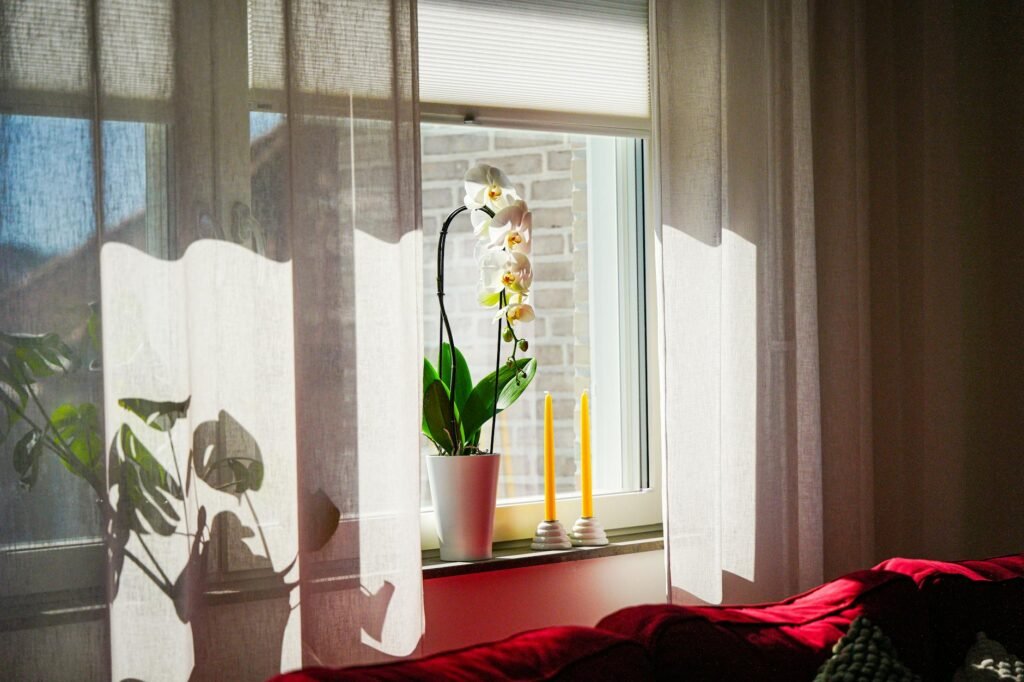
Do not turn quarantine into a punishment corner. Healthy plants tend to have fewer pest problems, so the holding spot should still match the plant’s light and temperature needs as closely as possible. A bright office window, spare bedroom sill, or laundry-room shelf is usually better than a dark bathroom for a plant that normally wants strong light. (extension.umn.edu)
Keep the plant on its own saucer and avoid leaf-to-leaf contact with the rest of the collection. Skip decorative cachepots until the quarantine ends. That makes it easier to notice sticky residue, webbing, adults caught on a sticky card, or runoff problems. Yellow sticky traps can help monitor flying pests such as fungus gnats, thrips, and whiteflies, but they work best when you also inspect the plant itself. (ipm.ucanr.edu)
- Put the plant in its holding spot before you style it with the rest of your collection.
- Check leaf tops, leaf undersides, stem joints, pot rim, saucer, and drainage holes. A phone flashlight helps, and Clemson notes that a 10X magnifying lens makes small pests easier to spot. (hgic.clemson.edu)
- Clear dead leaves from the soil surface and wipe the outside of the pot and saucer so you can spot new residue later. (extension.umn.edu)
- If the soil is very wet or you notice tiny flyers, add a yellow sticky card near the pot edge and adjust watering so the mix is not staying continuously wet, if the plant type allows it. (extension.uga.edu)
- Set two reminders: one quick check 3 to 4 days after purchase and one deeper inspection each week during the hold period. Clemson recommends regular weekly inspection while plants are isolated. (hgic.clemson.edu)
What to look for during the hold period
Not every ugly leaf is a bug. Care problems often mimic infestations, which is exactly why quarantine is useful: you can watch the plant closely without exposing everything else nearby. (hgic.clemson.edu)
- Shiny sticky residue on leaves, shelves, or the pot often points to aphids, mealybugs, or scale. (extension.umn.edu)
- White cottony clusters in leaf joints, on stems, or even on the outside of the pot suggest mealybugs. (extension.umd.edu)
- Fine stippling, bronzing, or delicate webbing usually means spider mites; inspect the underside of leaves with a magnifier. (extension.illinois.edu)
- Tiny white insects that flutter up when disturbed are often whiteflies, while their immature stages stay attached to lower leaf surfaces. (extension.illinois.edu)
- Small dark flies hovering over wet soil usually mean fungus gnats, which thrive in overly moist potting media. (extension.uga.edu)
- Wilt plus brown or black soft roots points more toward root rot than insects. Healthy roots should be light colored and firm. (extension.umd.edu)
A realistic cost example
Say you buy a $28 philodendron and already own six other plants worth about $180 total. A basic quarantine setup might cost nothing if you already have a spare saucer and bright spot, or maybe $5 to $8 if you add sticky cards. If you skip quarantine and end up with a mild fungus gnat problem, you might spend another $10 to $20 on traps and fresh mix. If that same plant spreads mealybugs to four plants, the cleanup can easily climb past $30 in supplies before you count replacement cost or your time. Costs vary by store and region, but the basic math is the same: prevention is usually the cheaper project.
| Scenario | Upfront time | Likely extra cash outlay | Collection risk |
|---|---|---|---|
| 10-minute intake and 21-day hold | About 10 minutes on day one, then 5 minutes weekly | $0 to $8 | Low |
| Skip quarantine, mild fungus gnat issue | Reactive cleanup over 1 to 2 weeks | About $10 to $20 | Medium |
| Skip quarantine, pests spread to several plants | Repeated wiping, treating, and possible repotting | $30 and up, plus possible plant replacement | High |
Common mistakes that turn quarantine into a chore
- Putting the plant somewhere too dark or too harsh just because it is separate. A stressed plant is harder to read and may be more vulnerable to problems. (extension.umn.edu)
- Repotting on day one with no clear reason. If the plant is stable, waiting a bit keeps you from confusing repot stress with pest or watering issues.
- Using outdoor soil, old potting mix, or dirty tools. Clemson recommends commercially prepared potting soil, and the University of Minnesota advises cleaning and disinfecting tools and containers because soil and debris can transfer pathogens. (hgic.clemson.edu)
- Treating first and identifying later. Products should be labeled for indoor use and for the pest and plant involved, and sticky traps should not be your only evidence. (ipm.ucanr.edu)
- Assuming one spray solves everything. Light mealybug infestations may respond to alcohol on individual insects or labeled soap, but heavy infestations often take repeat treatment or may be better discarded. (extension.umd.edu)
- Forgetting hidden areas such as leaf undersides, stakes, pot rims, saucers, and drainage holes. Those spots often reveal problems earlier than the prettiest leaves do. (hgic.clemson.edu)
When the easy plan is not enough
If you spot clear mealybugs, scale, whiteflies, or mites during quarantine, keep the plant isolated and choose the least disruptive next step. For light mealybug populations, dabbing individual insects with household alcohol can help. Small plants can often be rinsed or washed. For heavier infestations, a registered indoor houseplant soap or spray may be necessary. University of Maryland and Clemson both note that heavily infested plants may need to be discarded. (extension.umd.edu)
If the problem is below the soil line, change the plan. Root rot symptoms include dark, soft roots and top growth that wilts even when the mix is wet. In that case, trim away rotten portions, repot only the healthy section in clean potting mix, or take cuttings and restart if the plant type allows it. If you prune or divide, disinfect blades before moving to another plant. (extension.umd.edu)
No space available? Provide the best possible & optimal use with imperfect means. Place a lighted location away (a few feet) from other plants; set your plant in a separate saucer; keep all leaves of plant(s) from touching one another; and maximize the holding time on the longer end of the Q-Score range. This configuration may not be ideal, but will continue to decrease the risk of seeing an issue prior to its spread.
General information only: if you use a pesticide or miticide, read the label carefully, confirm it is approved for indoor houseplants and the pest you identified, and follow all directions. If you are unsure what you are dealing with, contact your state extension service or plant clinic before adding more products. (ipm.ucanr.edu)
How to verify that your quarantine actually worked
- Keep a tiny log with the purchase date, Q-Score, watering dates, and anything you catch on sticky cards. UC IPM notes that traps are best used as a relative measure over time, not as a stand-alone verdict. (ipm.ucanr.edu)
- Inspect every 3 to 7 days, especially the underside of leaves and the newest growth. A 10X lens helps with pests that are easy to miss early. (hgic.clemson.edu)
- If you used a sticky card, compare counts week to week. Zero catches are good, but a declining trend is also useful information. (ipm.ucanr.edu)
- Before release, look for clean new growth, no sticky residue, no webbing, and no flying adults when the plant is disturbed. (extension.umn.edu)
- If the plant still wilts or declines, slide it partway out of the pot and check roots. Healthy roots are light and firm; diseased roots are dark and soft. (extension.umd.edu)
- If you still cannot tell whether the issue is pests, disease, or care, send photos to an extension service before you buy another treatment. (extension.umd.edu)
Bottom line
The easiest houseplant quarantine is not the strictest one. It is the one you will actually repeat: a bright holding spot, a risk-based timeline, one careful intake check, and a few scheduled inspections. Do that, and you dramatically improve your odds of catching pests while they are still one-plant problems instead of whole-shelf problems. (extension.colostate.edu)
Frequently asked questions
Do I really need to quarantine a plant from a reputable nursery?
Usually yes, but the hold can be shorter for a low-risk plant. New plants are one of the main ways pests get introduced indoors, even when the seller is generally reliable. (extension.colostate.edu)
Is two weeks enough for every plant?
Not always. Some university sources suggest 1 to 2 weeks for lower-risk plants, while others recommend around 3 weeks or even 6 weeks. That is why a risk-based hold time is more useful than one universal number. (extension.umn.edu)
Should I repot a new houseplant right away?
Only if the root zone or potting mix gives you a reason, such as obvious root rot, failing soil, or a damaged container. Otherwise, quarantining first makes it easier to tell whether the plant’s problem is pests, roots, or simple adjustment stress. If you do repot, use clean containers and prepared potting mix. (extension.umd.edu)
Are yellow sticky traps enough on their own?
No. They are useful monitoring tools for flying pests, but UC IPM advises using them together with visual inspection of plants. (ipm.ucanr.edu)
What if I live in a studio apartment and cannot fully isolate a plant?
Try to use as much distance and easy accessibility as possible. Place your plant in an extremely bright and open area, to maintain as much distance as possible from any leaf touching each other, and extend your Q-Score hold towards the farther end of your Maximal Q-Score. It may not be ideal but would definitely be preferable then placing your plant directly in the centre of your total collection.
When is replacement smarter than treatment?
If the plant is heavily infested, relapses after repeated treatment, or has severe root rot, replacement or restarting from a healthy cutting may be the lower-cost choice. Extension guidance notes that severely damaged or heavily infested plants are sometimes best discarded. (extension.umd.edu)
References
- University of Minnesota Extension: Managing insects on indoor plants – https://extension.umn.edu/product-and-houseplant-pests/insects-indoor-plants
- Clemson Cooperative Extension HGIC: Common Houseplant Insects & Related Pests – https://hgic.clemson.edu/factsheet/common-houseplant-insects-related-pests/
- Penn State Extension: Pest and Disease Problems of Indoor Plants – https://extension.psu.edu/pest-and-disease-problems-of-indoor-plants
- Wisconsin Horticulture: Houseplant Care – https://hort.extension.wisc.edu/articles/houseplant-care/
- Colorado State University Extension: Managing Houseplant Pests – https://extension.colostate.edu/resource/managing-houseplant-pests/
- UC Statewide IPM Program: Monitoring with Sticky Traps – https://ipm.ucanr.edu/agriculture/floriculture-and-ornamental-nurseries/monitoring-with-sticky-traps/
- UGA Cooperative Extension: Fungus Gnats: A Tiny Nuisance of Houseplants – https://extension.uga.edu/publications/detail.html?number=C1250&title=fungus-gnats-a-tiny-nuisance-of-houseplants
- University of Maryland Extension: Diagnose Indoor Plant Problems – https://extension.umd.edu/resource/diagnose-indoor-plant-problems
- University of Maryland Extension: Mealybugs on Indoor Plants – https://extension.umd.edu/resource/mealybugs-indoor-plants/
- University of Minnesota Extension: Clean and disinfect gardening tools and containers – https://extension.umn.edu/planting-and-growing-guides/clean-and-disinfect-gardening-tools
- Illinois Extension: Twospotted Spider Mite – https://extension.illinois.edu/insects/twospotted-spider-mite
- Illinois Extension: Whitefly – https://extension.illinois.edu/insects/whitefly