
If your indoor plants keep collapsing a few weeks after you bring them home, the problem may not be bad luck, low skill, or a need for better fertilizer. One common and costly failure point is hidden drainage: a nursery pot dropped into a decorative pot that quietly stores runoff, a saucer that stays full, or a pot with gravel at the bottom that looks tidy but leaves the lower root zone wet. Extension guidance is consistent that containers without real drainage raise root-rot risk, wet soil crowds out the air roots need, and gravel inside the bottom of the pot does not solve the problem. (extension.illinois.edu)
TL;DR
- The biggest indoor drainage failure is trapped water below the root ball, usually in drainless pots, decorative outer pots, saucers, or foil sleeves. (extension.illinois.edu)
- Root rot can look like thirst: plants may wilt even when the soil is wet because damaged roots cannot move water well. (extension.umn.edu)
- Gravel in the bottom of a pot is not a drainage fix, and oversized pots can stay wet too long. (extension.illinois.edu)
- Use the DRAIN Score before you water, repot, or replace a struggling plant.
- If roots are already brown, black, and mushy, move quickly with fresh media, a clean pot, conservative sizing, and a backup plan such as clean cuttings if the damage is severe. (extension.umd.edu)
The real culprit is trapped water, not just “too much love”
Root rot indoors usually starts with a simple mechanical problem: the pot stays wet long enough that roots lose access to air. University of Minnesota Extension notes that wet soil lacks air, and roots need oxygen to grow well. Once roots are damaged, the plant can wilt even while the potting mix is still moist. Maryland Extension lists yellowing, browning, dieback, wilting, and brown-to-black soft roots among common root-rot symptoms. (extension.umn.edu)
The hidden part is that the failure often sits below the surface. A plant may be living in a container without a drainage hole, inside a decorative outer pot that quietly stores runoff, or in a saucer that is never emptied. Illinois and Oklahoma State Extension both warn that plants in pots without drainage holes face higher root-rot risk, and OSU notes that houseplants should not be left standing in water. (extension.illinois.edu)
Many owners try to solve this with a gravel layer at the bottom. That advice still shows up in stores and social posts, but Illinois Extension says it is a myth: water can perch in the soil above the gravel, leaving the root zone saturated rather than better drained. Oversized pots can create a similar slow-dry problem because the plant cannot use the extra moisture quickly enough. (extension.illinois.edu)
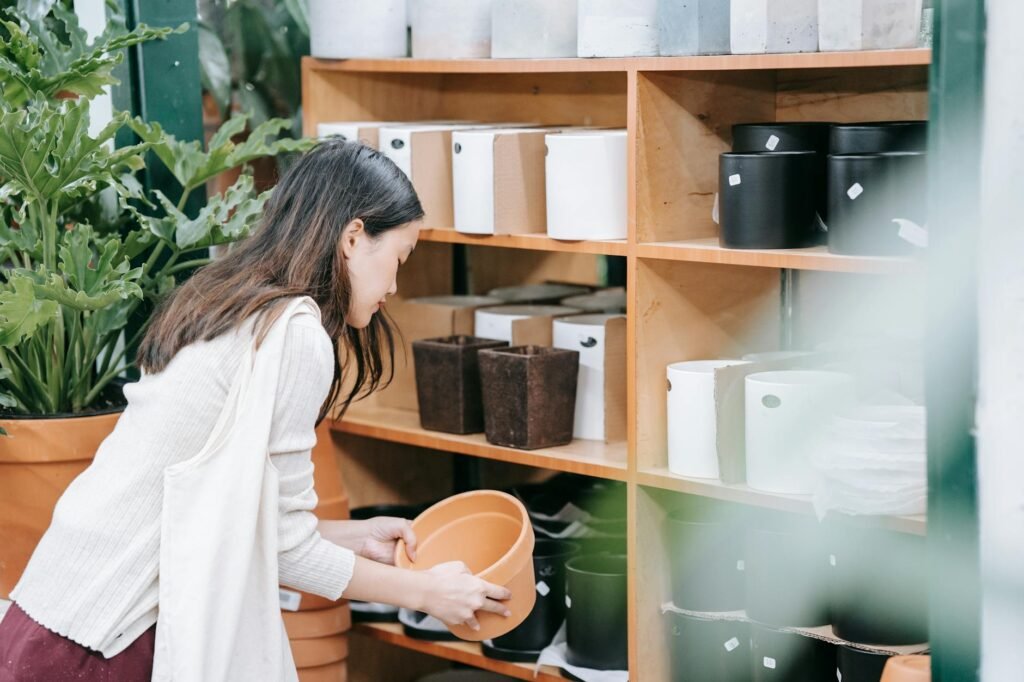
Use the DRAIN Score before you buy, water, or repot
My working tool for indoor plants is the DRAIN Score. It is not a botany textbook. It is a quick household audit built around five failure points extension guidance returns to again and again: a true drainage hole, no hidden reservoir, airy potting media, watering by dry-down rather than by calendar, and modest pot sizing. If you use it at the store, on watering day, and before repotting, you will catch most drainage trouble before it turns into rot. (extension.illinois.edu)
| Checkpoint | What a pass looks like | What puts you at risk | Best next move |
|---|---|---|---|
| D – Drain hole | Water runs from a visible bottom hole when you water in the sink. | The plant is in a pot with no hole, or the drain path is blocked by a wrapper or decorative setup. | Repot into a pot with holes or use a pot-within-pot setup so the inner container can drain freely. (extension.illinois.edu) |
| R – Reservoir | The outer pot and saucer are empty after draining. | The inner pot sits in trapped runoff you do not see or forget to dump. | Remove the inner pot to water, let it drain fully, then return it. Empty saucers and outer pots after watering. (extension.umn.edu) |
| A – Airy mix | Fresh, well-drained potting mix surrounds the roots. | Garden soil, compacted worn-out media, or a gravel layer at the bottom keeps the root zone wet or poorly aerated. | Use fresh sterile potting media and skip rocks or shards inside the pot. (extension.illinois.edu) |
| I – Interval | You water when the plant is dry enough for its type, using touch and pot weight. | You water on a fixed schedule or respond to every yellow leaf with more water. | Check the top few inches and lift the pot. A wilted plant in moist soil is a warning sign, not a cue to water. (extension.umn.edu) |
| N – Next-size pot | The pot is the same size after heavy root loss or only 1 to 2 inches wider when upsizing. | You jump several sizes up and leave too much wet soil around a small root system. | Use a conservative pot size. Too-big containers are more likely to stay wet and invite rot. (extension.umn.edu) |
If you fail two or more lines, assume drainage is the first problem to fix. That does not mean every yellow leaf is root rot. It means fertilizer, pest sprays, and new gadgets should wait until you know where extra water actually goes after watering. For most indoor plants, the cheapest fix is structural, not chemical. (extension.umn.edu)
A realistic money-loss example
Illustrative example: You buy a $42 rubber tree, a $28 ceramic cachepot, and an $11 bag of potting mix. Two months later, lower leaves yellow. You water a little more because the top feels dry, but the nursery pot is sitting inside the ceramic pot with pooled runoff at the bottom. If the plant declines beyond recovery, replacing it turns a $42 purchase into an $81 problem, and that is before you buy more mix or try another product that does nothing about drainage.
To determine if a better solution will work in place of buying a new plant, all you have to do is look at the route that water will take through the plant (drainage). A quick examination may reveal that the roots are still alive but are choking on old or too much growing mix. Therefore, rather than replace the plant for the sole reason of trying to find out how to route the water differently (new grow pot, new design), you could save yourself quite a bit of money simply by re-routing the water through the plant instead.
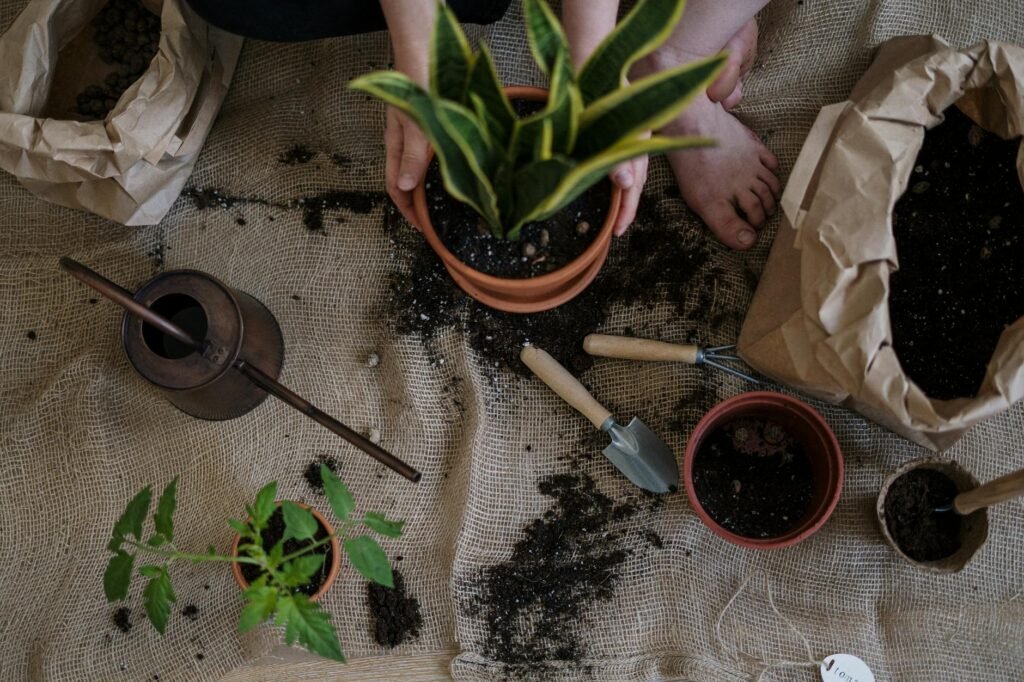
How to reset a plant that may already be headed for rot
- Take the plant out of any decorative outer pot or foil sleeve and water only where you can see the runoff. If you cannot confirm that water exits a bottom hole, you do not yet have a drainage setup you can trust. (extension.umn.edu)
- If there is no real drain hole, move the plant into a pot with holes or keep it in a plain nursery pot inside the decorative pot. Illinois and OSU both describe this pot-within-pot approach as a safer option for drainless decor pots. (extension.illinois.edu)
- Slide the root ball out and inspect it. Healthy roots are generally light-colored and firm; brown or black soft roots, or roots whose outer layer slips off, point to rot. (extension.okstate.edu)
- Trim obviously mushy roots, discard the soggy old mix, and repot with fresh sterile potting media. Maryland Extension also recommends clean or new pots and avoiding regular garden soil when root rot is involved. (extension.umd.edu)
- Keep the pot size conservative. If you removed a lot of roots, the plant may need the same size pot, not a larger one. Extension guidance repeatedly warns that oversized pots stay wet too long and can invite more rot. (extension.umn.edu)
- After repotting, water thoroughly, let the pot drain fully, and empty any saucer or outer pot after about 20 minutes. Then switch from calendar watering to a dry-down check using your finger and the lift test. (extension.illinois.edu)
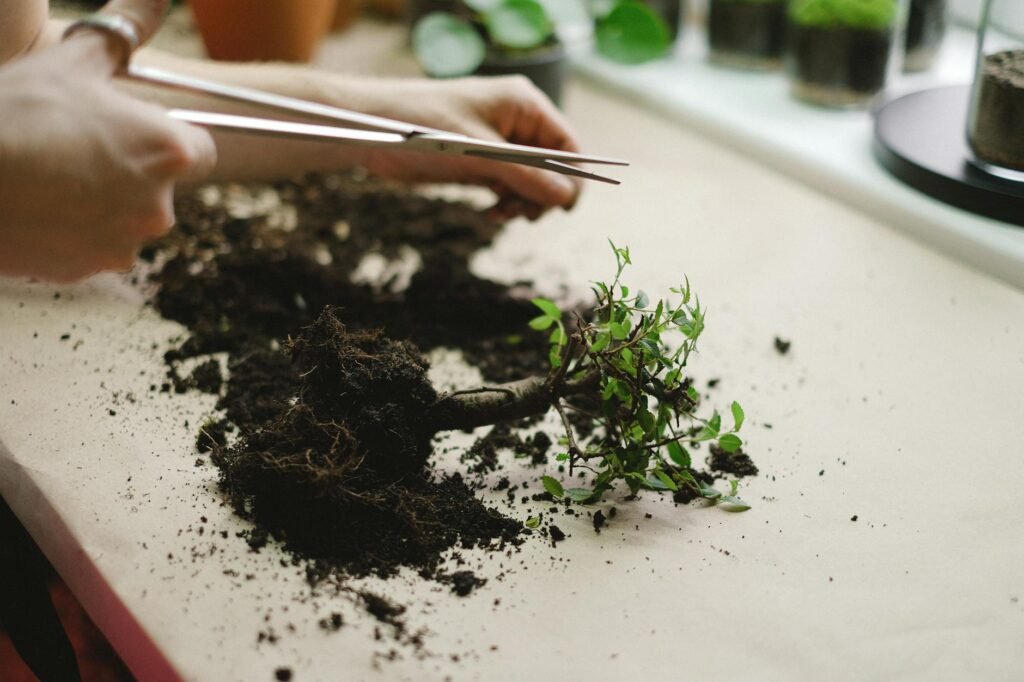
Warning: Severely infected plants do not always bounce back. Maryland Extension advises discarding badly infected plants and taking cuttings only from healthy tissue. If most roots are gone, a clean propagation attempt may be the better backup plan. (extension.umd.edu)
When drainage fixes are not enough
Sometimes the drainage fix is correct and the plant still stalls. Low light and cooler indoor conditions slow water use, which means a winter watering routine can stay too wet even in a proper pot. Plant type matters too: self-watering containers can suit many tropical foliage plants, but Illinois Extension notes they are usually not a good fit for plants that need to dry out, such as cacti and succulents. (extension.umn.edu)
There are also cases where the plant is already too far along. Once roots have collapsed, the leaves may keep declining because the plant no longer has enough functioning root system to support the top growth. In that situation, do not keep adding water because the plant looks wilted. Isolate it from nearby plants, reassess the roots, and, if necessary, salvage healthy cuttings or replace the plant. Fresh media, clean pots, and keeping new purchases separate for a short period are sensible safeguards against spreading disease or other problems through your collection. (extension.umd.edu)
Common mistakes that quietly recreate the problem
- Watering by habit instead of by dry-down. University guidance says plants do not follow a calendar, and pot weight or soil feel is a better cue. (extension.umn.edu)
- Mistaking wilt for thirst when the pot is already wet. Moist soil plus wilt can mean root loss, not a need for more water. (extension.umn.edu)
- Planting directly into a beautiful pot with no hole, or forgetting that foil sleeves and outer pots can trap runoff. (extension.illinois.edu)
- Adding rocks, gravel, or pot shards inside the bottom of the pot and calling it drainage. Extension guidance says that does not improve drainage and can worsen saturation above the layer. (extension.illinois.edu)
- Jumping too many pot sizes up. Larger pots are not automatically safer if the extra soil stays wet longer than the plant can use it. (extension.umn.edu)
- Reusing dirty pots or old contaminated mix after a rot episode. Clean containers and fresh media are part of disease management. (extension.umd.edu)
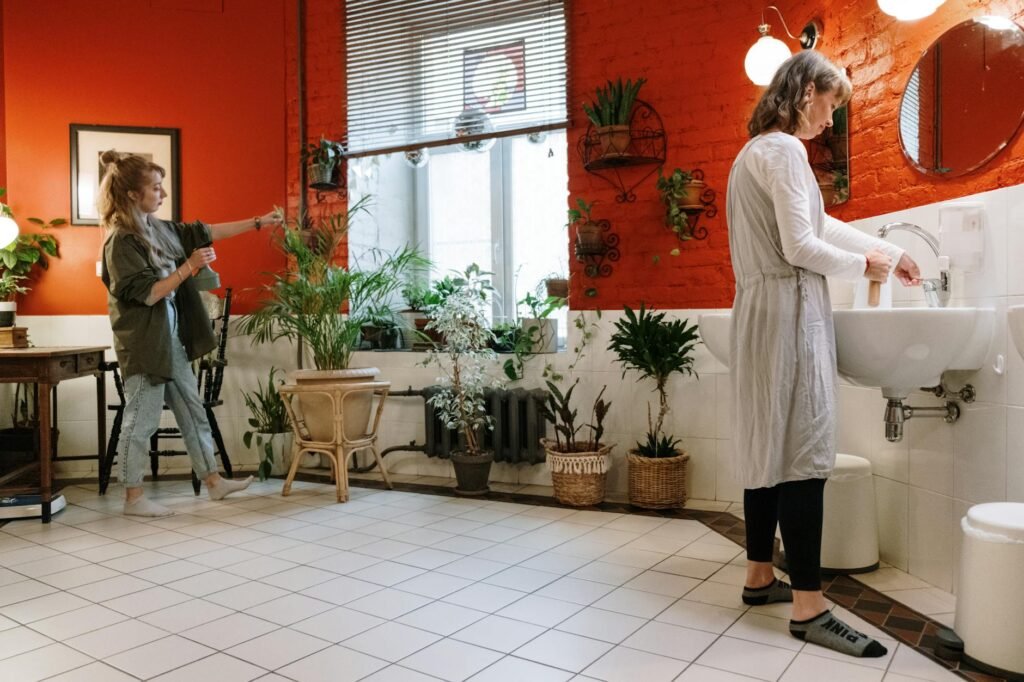
How to pressure-test your drainage setup
- On the next watering day, remove the plant from any outer pot and water in the sink. Confirm that water exits from the bottom and that runoff does not remain hidden in a cachepot or wrapper. (extension.umn.edu)
- Lift the pot right after watering and again each day after. The difference between heavy-wet and lighter-dry is often more useful than a calendar reminder. (extension.umn.edu)
- Check the saucer or outer pot after about 20 minutes and dump any collected water. If water keeps reappearing, your setup is still holding runoff somewhere. (extension.illinois.edu)
- Watch the newest growth, not just the oldest damaged leaves. Old yellow leaves may not recover, but continued decline in new growth suggests the root problem is not resolved. If the plant wilts while the soil is still moist, inspect roots again. (extension.umd.edu)
- When you repot later, look at the roots. White or light, firm roots suggest the fix worked; brown, soft roots mean the root zone is still staying too wet. (extension.okstate.edu)
Bottom line
For most indoor plants, the expensive mistake is not choosing the wrong fertilizer. It is hiding the root ball in a setup where extra water cannot leave. A visible drain hole, an empty reservoir, airy mix, species-aware watering, and conservative pot sizing can solve most indoor drainage failures before root rot starts. (extension.illinois.edu)
FAQ
Can a plant get root rot if the top inch feels dry?
Yes. The surface can dry while the lower root zone stays wet, especially in oversized pots, drainless decorative pots, or setups with trapped runoff. That is why lift-testing and checking the real drainage path matter more than a quick touch at the top. (extension.umn.edu)
Is one hole in the bottom enough?
Often yes, as long as it is unobstructed and water can drain freely. University of Minnesota Extension says a well-drained pot has at least one large drainage hole in the bottom, although some pots have several. (extension.umn.edu)
What if I love a decorative pot with no drainage hole?
Use it as an outer pot, not the planting pot. Keep the plant in an inner nursery pot with drainage, remove it to water, let it drain completely, and never let water collect in the outer pot. (extension.illinois.edu)
Do rocks or gravel at the bottom actually help?
No. Illinois Extension says that is a myth because water can stay in the soil above the gravel rather than draining away from it. Use proper potting mix and a real drain hole instead. (extension.illinois.edu)
Should I cut off rotted roots?
If roots are clearly brown, black, soft, or sloughing off, trimming damaged tissue and repotting into fresh media is a reasonable rescue step. If most of the root system is gone, recovery is uncertain and taking healthy cuttings may be smarter. (extension.umd.edu)
Are self-watering pots a bad idea for all houseplants?
No. They can work well for some moisture-loving tropical plants, but Illinois Extension notes they are usually not necessary for plants that need to dry between waterings, including many cacti and succulents. Match the container to the plant, not the other way around. (extension.illinois.edu)
References
- Illinois Extension – Get Started | Houseplants – https://extension.illinois.edu/houseplants/get-started
- Illinois Extension – Container Drainage Options – https://extension.illinois.edu/container-gardens/container-drainage-options
- Oklahoma State University Extension – Houseplant Care – https://extension.okstate.edu/fact-sheets/houseplant-care
- University of Minnesota Extension – Watering houseplants – https://extension.umn.edu/yard-and-garden-news/watering-houseplants
- University of Maryland Extension – Root Rots of Indoor Plants – https://extension.umd.edu/resource/root-rots-indoor-plants
- University of Minnesota Extension – Winter houseplant tips – https://extension.umn.edu/news/winter-houseplant-tips
- Illinois Extension – Tips for Repotting Houseplants – https://extension.illinois.edu/blogs/good-growing/2018-03-19-tips-repotting-houseplants