
Most fertilizer mistakes come from good intentions. A plant slows down, yellows a little, or wilts on a hot afternoon, and the owner reaches for plant food. The expensive error is feeding a stressed, partly dry root zone as if more nutrients will solve the problem. In containers and houseplants especially, excess fertilizer salts can injure fine root tips before you ever see the crisp brown edges people usually associate with burn. That delay is why this mistake keeps repeating: the plant does not look dramatically scorched, so the gardener feeds again, and the root zone gets saltier. The result is wasted product, stalled growth, extra potting mix, and sometimes a replacement plant that costs more than the fertilizer itself. (extension.umd.edu)
The mistake is feeding a stressed, dry root zone
Most fertilizers are salts once they dissolve in water. In the right amount, that is exactly how plants access nutrients. In the wrong amount, or at the wrong time, those salts raise the concentration around the roots and make water harder for the plant to take up. That is why a thirsty plant is not automatically a hungry plant. If the potting mix is already very dry, or the roots are stressed by heat, recent transplanting, or erratic watering, a full-strength dose can make the plant less able to rehydrate, not more able to grow. (extension.umd.edu)
This problem is especially common in containers because the root zone is small and mistakes become concentrated fast. A guessed capful of liquid fertilizer, a double dose because you missed last week, or granules dropped right against a root ball can all create the same result: more dissolved salts than the plant can buffer. Seedlings and young transplants are even easier to set back because tender roots are more sensitive to excess soluble salts. (extension.umd.edu)
Why root burn can hide for days
Early damage happens below the surface, where feeder roots handle most of the water and nutrient uptake. So the first clues are often weak performance, not dramatic leaf scorch. A plant may stop pushing new growth, wilt faster than usual, or start dropping older leaves. Many gardeners read that as a deficiency and feed again. When salts are already high, that second feeding usually makes the problem worse. (extension.umd.edu)
- Growth stalls after feeding instead of improving. (extension.umd.edu)
- The plant wilts even though the mix is still slightly damp. (extension.umd.edu)
- Leaf tips or margins brown fairly evenly across the plant. (extension.umd.edu)
- Lower leaves yellow or drop before you see obvious burn. (extension.umd.edu)
- A white crust forms on the soil surface, pot rim, or outside of the pot. (extension.umd.edu)
- Seedlings or fresh transplants stop rooting in and simply sit there. (yardandgarden.extension.iastate.edu)
A white crust is not a perfect diagnosis. Fertilizer salts can leave residue, but hard water can leave mineral deposits too. Either way, it is a warning sign that dissolved solids are building up in or on the pot, which means adding more fertilizer before you clear the root zone is usually the wrong next move. (extension.umd.edu)
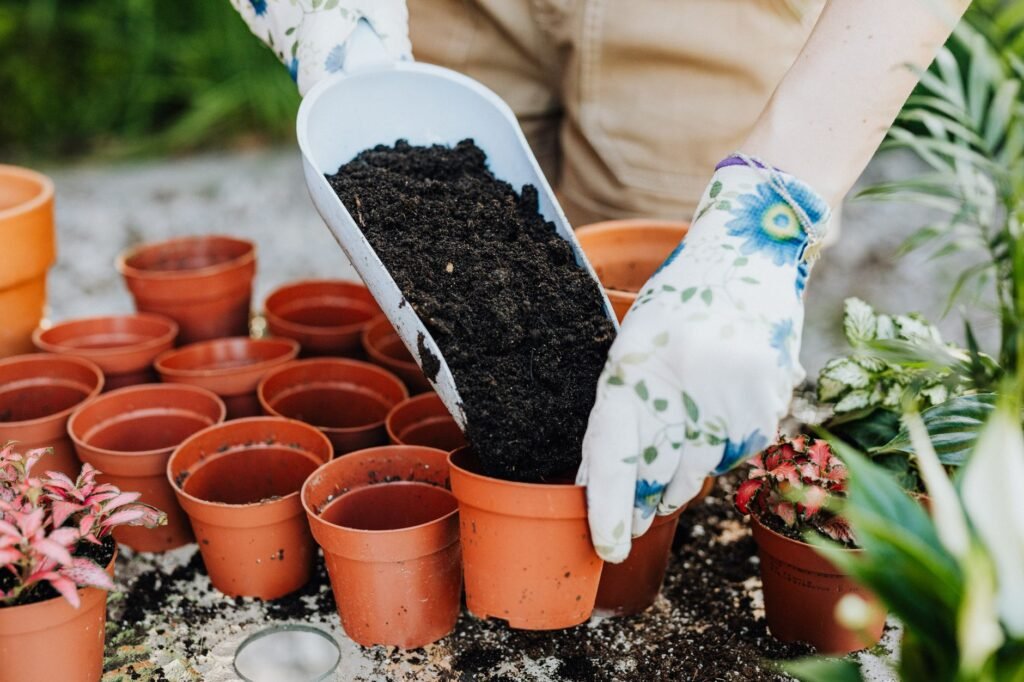
Use the SALT Check before every feeding
To keep this practical, use the SALT Check. It is a quick screen for whether fertilizer is likely to help or likely to pile stress onto the roots. The scoring rule is original to this article, but the underlying risk factors come straight from extension guidance on moisture, label rates, stress timing, and salt buildup. (extension.illinois.edu)
- S – Soil moisture: The root zone is evenly moist, not bone dry. If the mix is dry, water first and come back later. (extension.illinois.edu)
- A – Active growth: The plant is actually growing, not recovering from drought, overwatering, transplant shock, or low-light dormancy. (homegarden.cahnr.uconn.edu)
- L – Label-measured dose: You measured the exact dilution with a real spoon, syringe, or marked bottle. No capful guesses and no catch-up doubling. (extension.umd.edu)
- T – Trace buildup: No crust on the surface or pot rim, and drainage holes are open so salts can be flushed instead of trapped. (extension.umd.edu)
Count one point for every “yes.” If you got a total of four points, proceed with your feeding plan. If you have three points, feed them at half strength, but if you got two points or less, only water them for now and reevaluate in a couple of days. Although this method may occasionally short you on the feeding side, plants can recover from mild underfeeding much more quickly than they can recover from damaged roots.
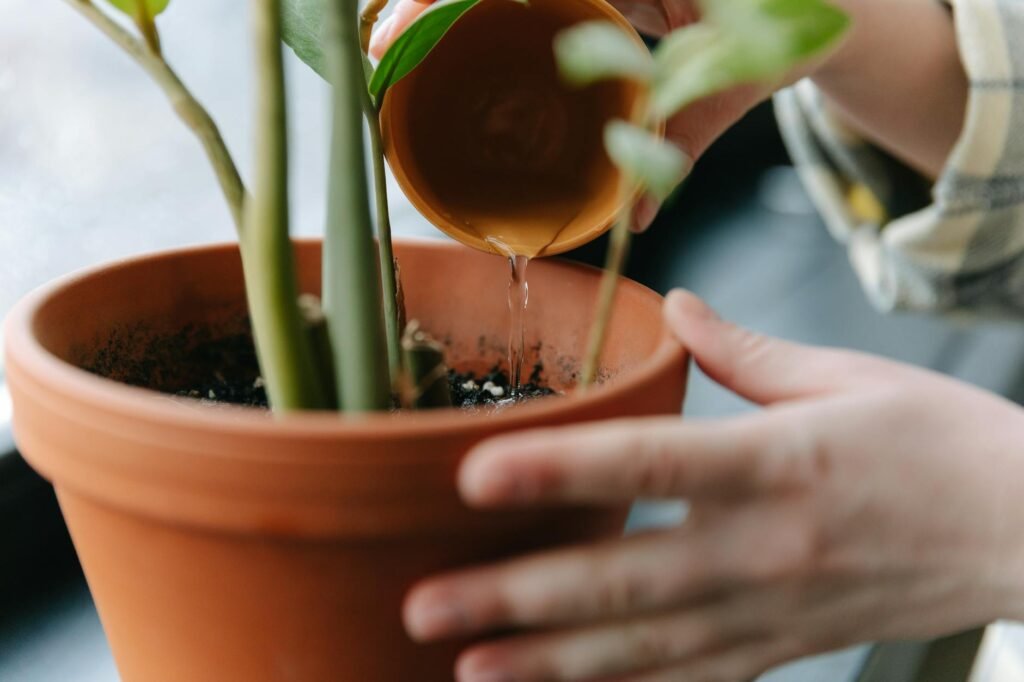
A realistic example: a $12 bottle creates a $46 reset
Say you keep six patio containers: two tomatoes, basil, parsley, mint, and a peace lily spending the summer outside. The fertilizer label calls for 1 teaspoon per quart every two weeks. After a very hot weekend, the pots feel light and dry, and growth looks slow. Instead of watering first, you mix a half-gallon can by eye, closer to double strength than label strength, and feed everything. Over the next 10 days, nothing looks dramatically burned. But the basil drops lower leaves, one tomato stops pushing fresh growth, and the peace lily wilts every afternoon even after watering. Recovery now means about $22 in fresh potting mix and about $24 in replacement plants. The fertilizer was the cheapest part of the mistake.
| Situation | Hidden risk | Best move | Budget-friendly reason |
|---|---|---|---|
| Potting mix is bone dry | Salts hit already stressed root tips | Water thoroughly first; feed later, or at reduced strength once the mix is evenly moist | Cheaper than repotting a plant that stalls for weeks |
| White crust on soil, rim, or saucer | Salt or mineral buildup is already high | Flush with plain water and skip the next feeding | Avoids stacking more residue into an already crowded root zone |
| Plant was just repotted or transplanted | Disturbed roots cannot use fertilizer efficiently | Wait for fresh growth before resuming a normal schedule | You save product and lower the chance of setback |
| Outdoor bed looks weak but nutrient status is unknown | You may be adding the wrong nutrient or too much of one nutrient | Use a soil test before buying another bag | Buying the right product once is cheaper than guessing twice |
| Seedlings and very young starts | Tender roots are more salt-sensitive | Use very dilute feed only if needed and keep fertilizer away from a concentrated root zone | Replacing a tray of starts costs more than feeding lightly |
A safer routine that still feeds growth
- Check moisture before you mix anything. If the pot feels very light or the mix is obviously dry, water first. Fertilizer belongs in a moist root zone, not a thirsty one. (extension.illinois.edu)
- Measure against the actual volume of your watering can. If the label says 1 teaspoon per quart, a half-gallon can needs 2 teaspoons, not a splash from the cap.
- Prefer lighter, steadier feeding over big doses. Extension guidance for containers often favors more frequent, lower-rate applications rather than heavier catch-up feedings. (extension.illinois.edu)
- Use plain water sometimes. Containers can benefit from occasional leaching so salts do not keep accumulating in the potting mix. (extension.umd.edu)
- Slow down in low light, dormancy, or stress. Many indoor plants need less fertilizer in winter or during inactive periods, and drought-stressed plants should not be fed as if they are in peak growth. (homegarden.cahnr.uconn.edu)
- Keep drainage working. Water should run through the pot, and containers should not sit in trapped runoff long enough to stay waterlogged. (extension.umd.edu)
Common mistakes that make root burn more likely
- Using fertilizer as a diagnosis shortcut. Yellowing can mean nutrient deficiency, but it can also mean damaged roots, poor drainage, pH problems, or stress. Clemson specifically warns against assuming fertilizer will fix poor growth without better evidence. (hgic.clemson.edu)
- Mixing concentrate by eye. Incorrect use of concentrates is a documented cause of high soluble salts in indoor plants. (extension.umd.edu)
- Doubling the dose because you missed a week. There is no catch-up dose that helps a stressed root zone.
- Feeding every plant on the same calendar. A tomato in active summer growth and a low-light houseplant in winter should not be treated as if they have the same appetite. (homegarden.cahnr.uconn.edu)
- Assuming organic products cannot burn roots. They are often lower risk, but they are not risk-free if you overapply them or if salts keep building up. (extension.umn.edu)
- Putting fertilizer directly into a planting hole or against a new root ball. Newly planted trees and shrubs usually need water and root establishment first, not a concentrated fertilizer pocket. (extension.okstate.edu)
When flushing the pot is not enough
Flushing works best after a mild mistake. It is not magic. If roots are already badly damaged, the mix has become compacted and crusted, or a tray of seedlings took a heavy dose, plain water may not fully solve the problem. Outdoor beds are another limit case. Poor growth in the ground may be about pH, nutrient imbalance, drainage, or root injury rather than simple underfeeding, which is why a soil test can save both time and money before you keep buying inputs. (extension.umd.edu)
- If a small pot has heavy crusting or repeated overfeeding, repot into fresh mix after gently removing as much old media as you safely can. (homegarden.cahnr.uconn.edu)
- If seedlings were hit hard, restarting is sometimes faster and cheaper than nursing them for weeks. (yardandgarden.extension.iastate.edu)
- If a shrub or tree is newly planted, prioritize watering and establishment. Several extension sources caution against fertilizing at planting time with quick-release materials. (extension.okstate.edu)
- If edible crops keep showing problems, use a soil test and, if needed, your local Cooperative Extension office before changing products again. (extension.umn.edu)
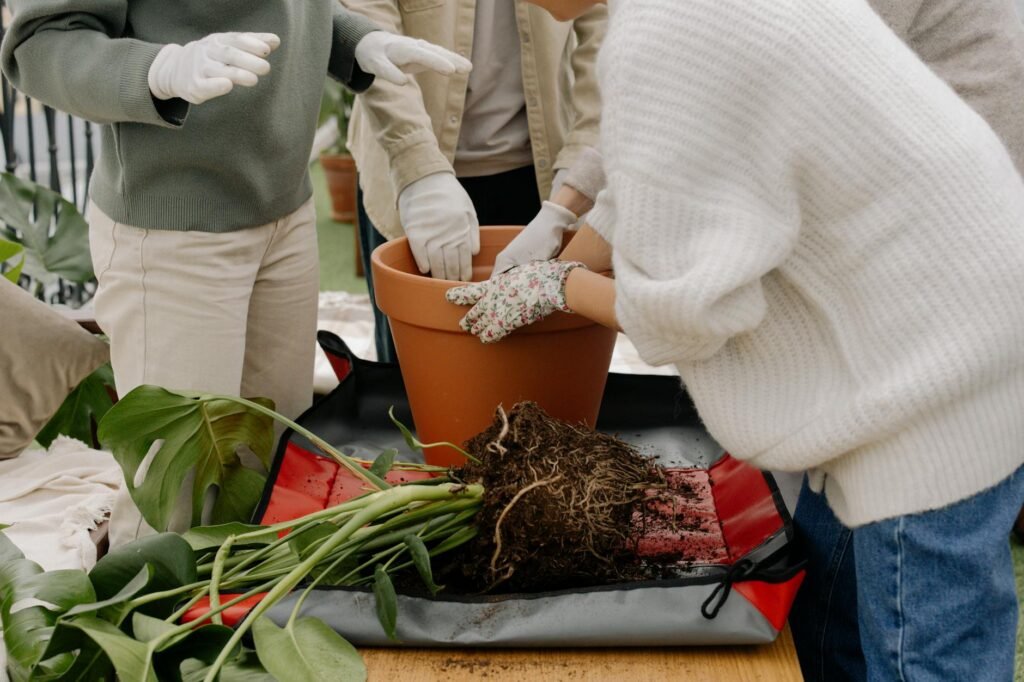
How to verify that your fix is working
- Take a picture today and then another in 7 – 10 days. The brown tips will not turn green again so assess how well your fix was by looking at the new growth and improved turgor, not whether or not the affected leaves now look good.
- If salt buildup is likely, flush once with plain water and let the pot drain freely. For larger containers, repeat until you have moved at least a pot-volume of water through the mix. (extension.umd.edu)
- Track how fast the pot dries. If roots recover, the plant should gradually handle water more normally instead of staying limp or drying oddly slowly.
- Audit your label math. Write the exact dilution on masking tape and stick it to the bottle or watering can so you do not remix from memory next time.
- For plants in the ground, verify with a soil test before you fertilize again. That is the cleanest way to tell whether the problem is really nutrition or something else. (extension.umn.edu)
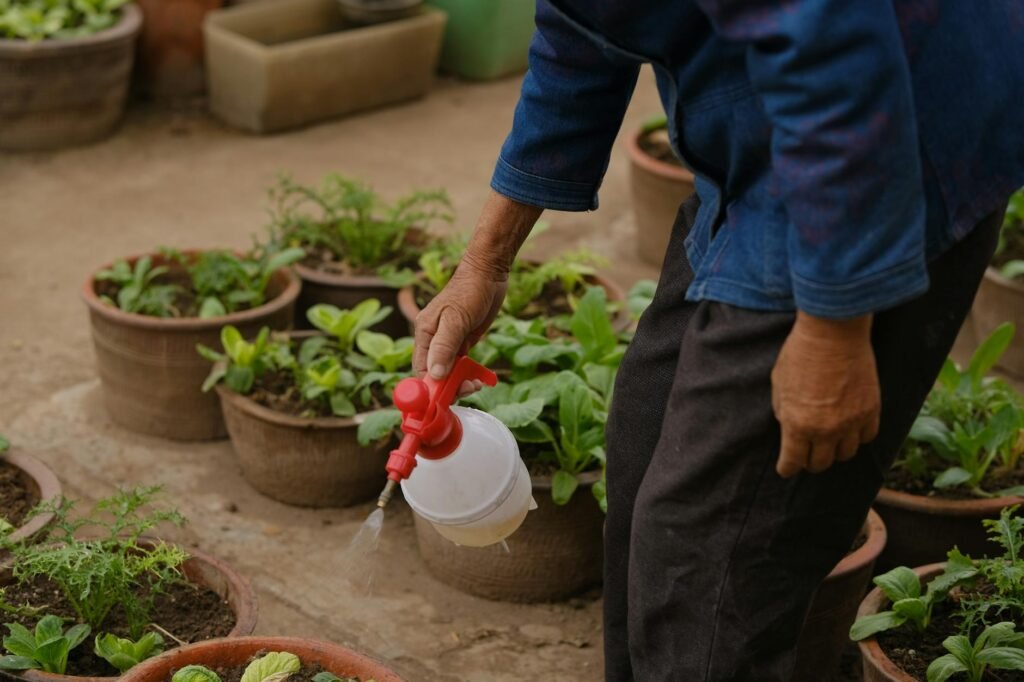
Warning: If a plant wilts while the potting mix is still wet, do not answer with more fertilizer. Check drainage, root health, and overall watering first. Fertilizer cannot rescue roots that are already stressed by poor oxygen or rot. (homegarden.cahnr.uconn.edu)
Bottom line
The quiet fertilizer mistake is not just using too much. It is using fertilizer at the wrong moment: when roots are dry, stressed, recently disturbed, or already surrounded by buildup. If you remember one rule, make it this: water first, measure exactly, and do not treat slow growth as proof a plant needs a stronger dose. That approach protects roots, saves product, and cuts down on the far more annoying expense of repotting or replacing plants. (extension.illinois.edu)
FAQ
Can you burn roots with organic fertilizer?
Yes. Organic fertilizers are often lower in salts and may be less likely to burn roots than some synthetic products, but overapplication can still cause problems or contribute to nutrient buildup. (extension.umn.edu)
Should I fertilize right after repotting?
Usually not right away. Fresh potting mix often contains some nutrients, and disturbed roots usually need moisture and recovery before they need more feed. Waiting for fresh growth is the safer default unless a plant-specific program says otherwise. (homegarden.cahnr.uconn.edu)
How do I flush a container plant after overfertilizing?
Use plain water, let it run freely from the drainage holes, and repeat if needed. University of Maryland advises several irrigations for large pots, while UConn notes that heavy watering can reduce excessive fertilizer salts if drainage is good. (extension.umd.edu)
Why is my plant wilting after I fertilized it?
High salt concentration can make it harder for roots to take up water, so wilting can happen even when the mix is damp. Wilting after feeding is not proof that the plant needs more fertilizer. (extension.umd.edu)
Are slow-release pellets safer than liquid fertilizer?
Often yes for avoiding sudden spikes, because nutrients are released more gradually. But slow-release products can still cause trouble if you overapply them or concentrate them in a small root zone. (extension.illinois.edu)
Is a white crust always caused by fertilizer burn?
No. A white crust can come from fertilizer salts or from minerals in hard water. Treat it as a buildup warning either way, pause feeding, and clear the root zone before adding more product. (extension.umd.edu)
References
- University of Maryland Extension – Fertilizer Toxicity or High Soluble Salts in Indoor Plants – https://extension.umd.edu/resource/fertilizer-toxicity-or-high-soluble-salts-indoor-plants
- University of Connecticut Home Garden Education Office – Houseplant Fertilization – https://homegarden.cahnr.uconn.edu/factsheets/houseplant-fertilization/
- University of Illinois Extension – Fertilizing Container Gardens – https://extension.illinois.edu/container-gardens/fertilizing
- University of Minnesota Extension – Fertilizing and Watering Container Plants – https://extension.umn.edu/managing-soil-and-nutrients/fertilizing-and-watering-container-plants
- University of Minnesota Extension – Soil Testing for Lawns and Gardens – https://extension.umn.edu/managing-soil-and-nutrients/soil-testing-lawns-and-gardens
- Clemson Extension HGIC – Fertilizing Trees & Shrubs – https://hgic.clemson.edu/factsheet/fertilizing-trees-shrubs/
- Iowa State University Extension and Outreach – Salt Tolerance of Selected Garden Plants – https://yardandgarden.extension.iastate.edu/how-to/salt-tolerance-selected-garden-plants
- University of Maryland Extension – Mineral and Fertilizer Salt Deposits on Indoor Plants – https://extension.umd.edu/resource/mineral-and-fertilizer-salt-deposits-indoor-plants
- University of New Hampshire Extension – Fertilizing Trees and Shrubs Fact Sheet – https://extension.unh.edu/resource/fertilizing-trees-and-shrubs-fact-sheet
- Oklahoma State University Extension – Planting Trees and Shrubs – https://extension.okstate.edu/fact-sheets/planting-trees-and-shrubs