
Your plant is not being random. When a houseplant drops leaves right after you move it, the usual reason is a sudden change in growing conditions, especially light, temperature, humidity, or watering. Clemson Extension notes that some leaf drop after a significant environmental change is normal and usually tapers off within about three weeks, while Penn State says sudden changes in light intensity or temperature can trigger leaf or flower drop. (hgic.clemson.edu)
The expensive mistake is treating every leaf drop like a fertilizer emergency. A move often changes how fast the potting mix dries, so the old watering routine can become wrong almost overnight. University of Minnesota Extension notes that plants in lower light use less water, and University of Maryland Extension recommends checking soil moisture and pot weight instead of watering by the calendar. In other words, diagnose the move first and buy supplies later. (extension.umn.edu)
TL;DR
- A houseplant that drops leaves after a move is usually reacting to a rapid environmental change, not announcing instant death. Temporary drop after a major change can be normal. (hgic.clemson.edu)
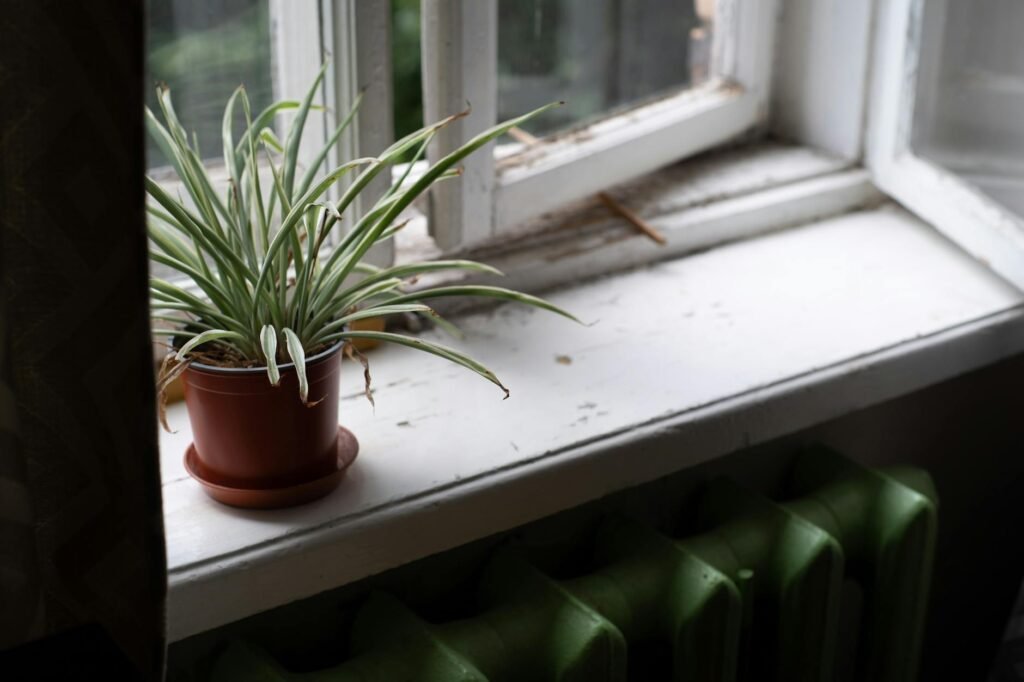
- Light is often the biggest trigger. A south-facing window gives the strongest natural light, east and many west exposures are more moderate, and lower light usually means slower water use. (extension.umn.edu)
- Do not automatically keep the same watering schedule. Check the top two inches of mix and the weight of the pot before watering. (extension.umd.edu)
- Drafts, heat vents, cold glass, and dry winter air can all add stress, especially for tropical foliage plants and ficus. (extension.umd.edu)
- If the drop keeps going past about three weeks, or you see sticky residue, webbing, mushy stems, or fungus gnats, start checking for pests, root problems, or salt buildup. (hgic.clemson.edu)
- A humidifier is usually a more dependable fix for dry air than casual misting. Penn State notes misting only boosts humidity until the water evaporates. (extension.psu.edu)
What actually changes when you move a houseplant
Plants experience a room very differently than people do. Moving a plant from a bright east window to a shelf several feet away can mean a major drop in light, even if the new spot still looks bright to you. University of Minnesota Extension notes that window direction matters and that distance from the light source affects light intensity. Clemson also notes that plants moved into lower light may yellow or drop leaves as they adjust. (extension.umn.edu)
That light change usually leads to the next problem: a watering mismatch. If the plant now gets less light, it uses water more slowly, so a once-safe Saturday watering habit can become overwatering. If the new spot is hotter and brighter, the opposite can happen and the mix may dry too fast. Maryland advises using the two-inch finger test and the pot-weight test instead of a fixed schedule. (extension.umn.edu)
Air conditions can be just as disruptive as light. University of Maryland says excessively low or high temperatures can cause foliage damage and leaf drop, and Penn State warns that houseplants should never sit in a draft of cold air. In winter, indoor relative humidity can easily fall below 30 percent, which is rough on many tropical plants. (extension.umd.edu)
Some plants are famous for reacting badly to change. Clemson’s guidance on weeping fig says ficus often shed leaves when moved or repotted and that overwatering, underwatering, drafts, low light, and nutrient issues can all contribute. If your newly moved ficus looks offended, that reaction is well documented. (hgic.clemson.edu)
Use the MOVE Scorecard before you buy anything
This is your triage tool to determine whether the specific issue is a simple relocation stress issue or an ongoing plant situation with more serious underlying causes. You need to score yourself the points below and remember, this is not a scientific scorecard – so just try not to guess what you think may be going on but find out whether your plant is experiencing simple relocating stress or an ongoing care problem.
- M – Match of light changed a lot: Add 2 points if the plant moved from bright indirect light to a dim shelf, or from filtered light to strong direct sun. Sudden light changes are a common trigger for leaf drop and scorch. (extension.umn.edu)
- O – Outdoor-style air problems indoors: Add 2 points if the plant now sits near a heat vent, radiator, exterior door, fireplace, fan, AC stream, or cold window. Drafts and temperature swings can trigger leaf drop. (extension.umd.edu)
- V – Watering stayed the same even though the environment changed: Add 2 points if you are still watering on the old schedule. Light and humidity affect how fast the pot dries. (extension.umn.edu)
- E – Evidence in the pot: Add 2 points if the soil stays wet for a week or more, goes bone dry in a day or two, has a white crust, or smells stale. Salt buildup, poor drainage, or root stress can all contribute to leaf problems. (extension.umd.edu)
- Low-humidity bonus: Add 1 point if it is heating season, your room air is very dry, and the plant is a fern or another humidity-loving tropical. Winter indoor humidity can fall below 30 percent. (extension.psu.edu)
- Pest bonus: Add 3 points if you see sticky residue, fine webbing, speckling, cottony clumps, fungus gnats, or distorted new growth. Pests often show up after plants are brought in or stressed. (hgic.clemson.edu)
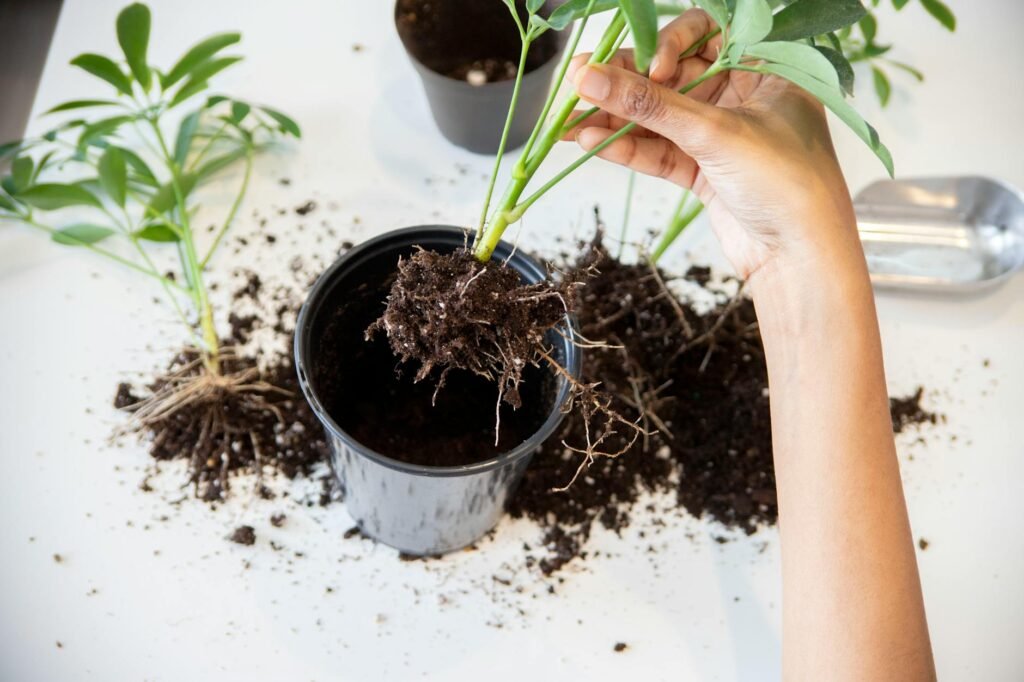
One caution: repotting is not the automatic answer. Penn State says repotting becomes necessary when roots are growing through drainage holes or the plant is clearly pot-bound, and Maryland’s repotting guidance shows what those circling roots look like. If the root ball is not crowded and the pot drains well, piling on fresh soil can add another stress without solving the real one. (extension.psu.edu)
The most likely cause, by symptom
| What changed | What the leaf drop often looks like | Cheap test | First fix |
|---|---|---|---|
| Much less light after the move | Older leaves yellow and drop, growth slows, soil stays wet longer | Compare the old and new window direction and how far the plant now sits from the light | Move it closer to the brightest suitable window or add supplemental light before changing fertilizer. (extension.umn.edu) |
| Sudden direct sun | Bleached, scorched, or crispy patches followed by dropped leaves | Check whether the plant went from filtered light to direct afternoon or south-window sun | Pull it back a bit or use a sheer curtain and let it acclimate gradually. (extension.psu.edu) |
| Drafts, heat vents, or cold glass | Fast drop after a cold night, heater cycle, or repeated blast of dry air | Put your hand at leaf level in the morning and evening to feel for moving air or cold pockets | Move the plant away from vents, doors, fireplaces, fans, and cold window contact. (extension.umd.edu) |
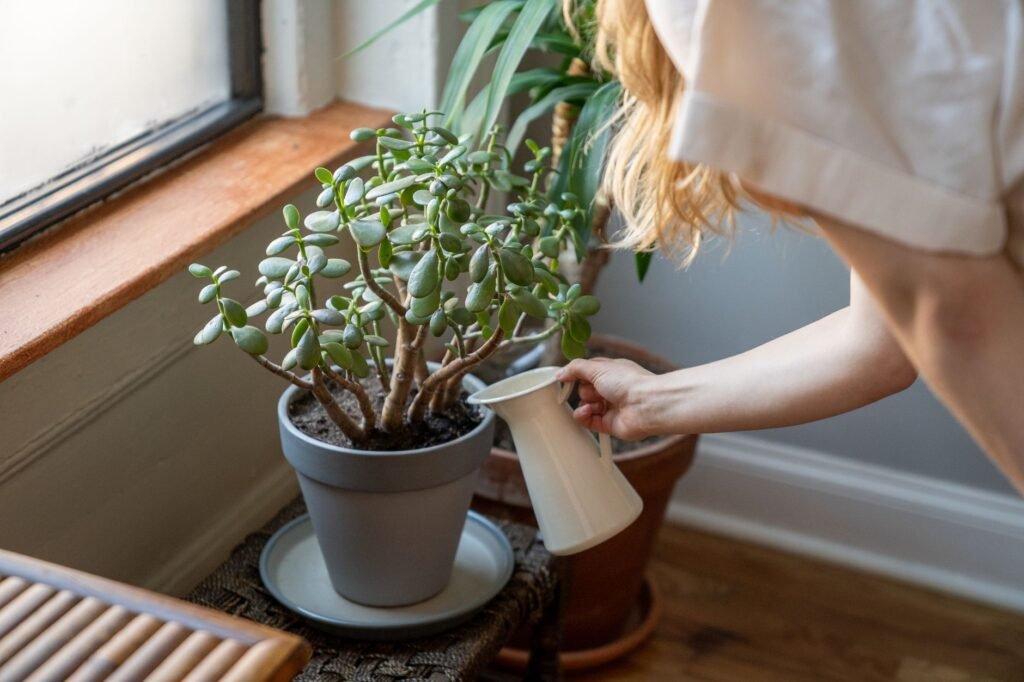
| Watering routine no longer matches the spot | Yellow leaf drop with wet soil, or crispy drop with hard dry mix | Check moisture two inches down and lift the pot before watering | Water by soil condition, not by the calendar, and do not leave runoff sitting in the saucer. (extension.umd.edu) |
| Dry winter air | Brown tips or edges, curling, gradual drop on humidity-loving plants | Use a hygrometer if you have one, or note whether the problem started when heating kicked on | Group plants or use a humidifier; casual misting is usually short-lived. (extension.psu.edu) |
| Pot-bound roots or salt buildup | Frequent wilting, lower leaf drop, crust on rim or soil, weak growth | Inspect drainage holes, root density, and any white or gray mineral crust | Leach the soil and repot only if roots are circling or the mix has clearly broken down. (extension.umd.edu) |
| Pests | Sticky leaves, speckles, webbing, distorted growth, or gnats around wet soil | Check leaf undersides, stems, and the soil surface with a phone light once a week | Isolate the plant, identify the pest, and treat according to the label. Expect repeated treatments, not a one-spray miracle. (hgic.clemson.edu) |
A realistic reset plan
Consider a realistic household example. A renter buys a 10-inch rubber plant for $32 and moves it from a bright bathroom window to a living-room bookcase seven feet from a west window because it looks better there. In the old spot, the pot dried in about six days. In the new spot, it stays damp for 10 days, but the owner still waters every Saturday. Two weeks later, 14 lower leaves have yellowed and dropped. The numbers are hypothetical, but the pattern is common: lower light means slower water use, and the unchanged watering habit becomes the real problem. (extension.umn.edu)
- Pick the closest match to the old environment. If you do not know the old conditions, aim for bright indirect light instead of a dark decorative corner. (extension.umn.edu)
- Stop relocating the plant every few days. Sudden repeated changes in light and temperature can keep the stress cycle going. (extension.psu.edu)
- Pause the calendar-based watering habit. Check moisture two inches deep and lift the pot before every watering. (extension.umd.edu)
- Move it away from vents, doors, fireplaces, and cold windows, especially at night. (extension.umd.edu)
- Hold fertilizer until you see new growth. University of Minnesota says to hold off until the plant resumes growth after acclimating, and too much fertilizer too soon can contribute to salt buildup. (extension.umn.edu)
- Inspect the pot before you repot. If roots are circling heavily or pushing through the drainage holes, repotting may help. If not, leave the root ball alone for now. (extension.psu.edu)
- If there is sticky residue, webbing, fungus gnats, or cottony white clumps, isolate the plant from the rest of your collection and start pest control. (hgic.clemson.edu)
Common mistakes that make the drop worse
- Moving the plant again as soon as it looks unhappy. A stressed plant usually needs stable conditions, not another change. (extension.psu.edu)
- Keeping the same watering day after the move. The plant’s water use changes when light, temperature, and humidity change. (extension.umn.edu)
- Repotting before confirming that the plant is actually pot-bound or poorly drained. Repotting is a tool, not a reflex. (extension.psu.edu)
- Fertilizing a plant that is not actively growing. Minnesota Extension recommends waiting for new growth after acclimation. (extension.umn.edu)
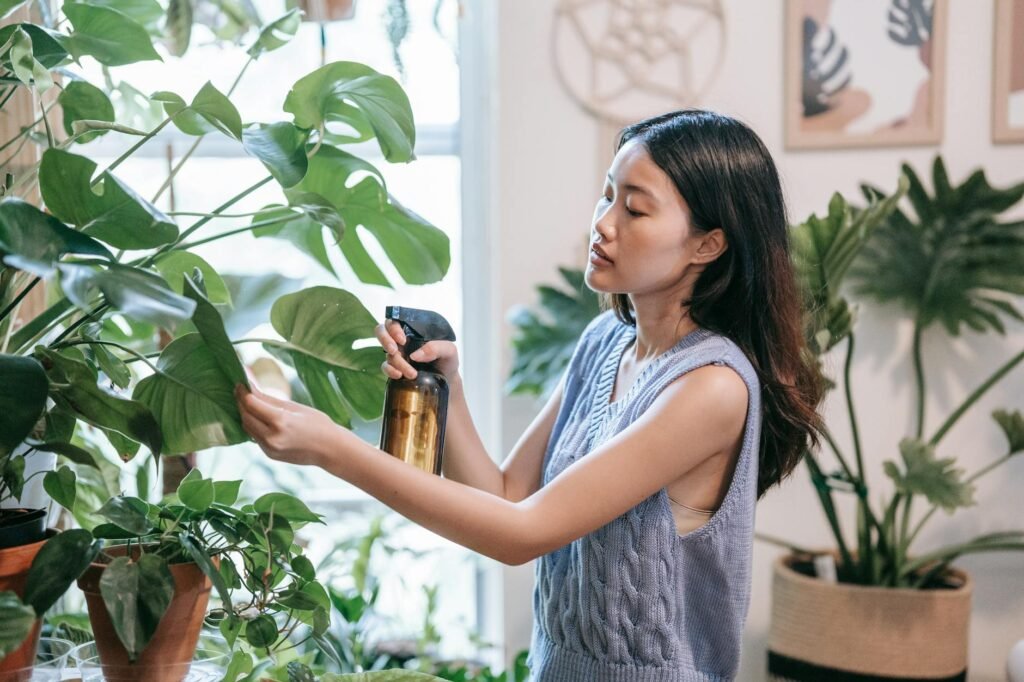
- Trying to solve dry air with nonstop misting. Penn State notes that misting raises humidity only until the water evaporates. (extension.psu.edu)
- Ignoring pests because the plant looked healthy before the move. Clemson recommends regular inspection, especially after plants have been outside or newly brought home. (hgic.clemson.edu)
- Buying leaf shine or random additives instead of fixing the environment. Minnesota Extension notes leaf-shine products are unnecessary and can clog leaf pores. (extension.umn.edu)
When the easy fix is not enough
If the plant keeps dropping leaves past about three weeks, stop calling it simple move stress. Clemson says environmentally triggered drop after a significant change should be temporary, and both Clemson and Maryland list overwatering, pests, diseases, and root problems among reasons leaf drop can continue. Mushy stems, a sour smell, constantly wet mix, or visible insects are all signs to escalate the diagnosis. (hgic.clemson.edu)
Sometimes the backup plan is not another product. It is a better location or a better plant choice. Penn State says winter indoor humidity can easily fall below 30 percent, and Maryland says most indoor environments lack enough humidity for healthy indoor plants in winter. If you keep trying to grow a humidity-loving fern on top of a bookshelf over a heater, the plant may keep struggling unless the room conditions change in a meaningful way. A humidifier, a more humid bathroom or kitchen, or a tougher plant for that spot may be the better answer. (extension.psu.edu)
Repotting also has limits. If roots are tightly circling, drainage is poor, or salts have built up around the rim and in the mix, repotting can help. If none of those are true, fresh soil is not magic. Water management and placement usually matter more than buying a larger pot and hoping for a reset. (extension.umd.edu)
How to verify that your fix is working
Treat recovery like a short audit, not a vibe. A plant that is stabilizing usually drops fewer leaves week to week and eventually starts new growth. Clemson’s ficus guidance says that when conditions are adequate, the plant adjusts to the new location, stops dropping leaves, and puts on healthy new growth. Use a simple two-week log so you can tell whether the trend is improving or just changing shape. (hgic.clemson.edu)
- Take one photo from the same angle every two or three days so you can compare leaf loss honestly.
- Count fallen leaves instead of guessing. A plant that drops three leaves this week and one next week is improving even if it still looks rough.
- Before every watering, check the top two inches of mix and lift the pot to compare its weight. (extension.umd.edu)
- Once a week, inspect the undersides of leaves and stems for pests, especially if the plant recently came from outdoors or from a store. (hgic.clemson.edu)
- Write down any drafts, vent exposure, and room humidity clues so you can spot patterns instead of reacting emotionally to one bad day. (extension.umd.edu)
- Do not change the whole plan unless the trend is clearly worsening or you find a new problem such as pests, root rot, or heavy salt crust. (hgic.clemson.edu)
Bottom line
Most houseplants drop leaves after a move because the environment changed faster than the plant could adapt. Start with light, drafts, humidity, and watering before you spend money on fertilizer, pest sprays, or an emergency repot. If the drop is modest and easing within a few weeks, patience is part of the fix. If it keeps going or comes with wet soil, pests, or soft stems, move beyond relocation stress and inspect the roots and foliage more closely. (hgic.clemson.edu)
Frequently Asked Questions
How long should leaf drop last after moving a houseplant?
A short burst of leaf drop can be normal after a significant environmental change. Clemson says this kind of drop should usually last only about three weeks. If it keeps going longer, look for watering problems, root issues, or pests. (hgic.clemson.edu)
Should I fertilize a houseplant that is dropping leaves after a move?
Usually not right away. University of Minnesota says to hold off on fertilizer until you see new growth after the plant has adjusted, and too much fertilizer too soon can contribute to salt buildup. (extension.umn.edu)
Is repotting a good first fix?
Only if the plant is clearly pot-bound, has poor drainage, or the potting mix is badly degraded. Penn State says roots growing through drainage holes or a densely circling root ball are signs repotting may be necessary. (extension.psu.edu)
Can low humidity really make a plant drop leaves?
Yes, especially for tropical plants that prefer more moisture in the air. Penn State notes winter indoor humidity can fall below 30 percent, and Maryland says most indoor environments do not have enough humidity for healthy indoor plants in winter. (extension.psu.edu)
Should I mist a plant that is dropping leaves after a move?
Misting is usually a weak fix for a dry room. Penn State says the humidity increase lasts only until the water evaporates, while Maryland points to broader humidity strategies such as grouping plants or using a humidifier. (extension.psu.edu)
Are some houseplants more likely to drop leaves after a move?
Yes. Ficus are especially known for it. Clemson says weeping figs often shed leaves when moved or repotted and may also react to drafts, low light, and watering stress. (hgic.clemson.edu)
References
- Clemson Extension: Moving Houseplants Indoors & Outdoors – https://hgic.clemson.edu/factsheet/indoor-plants-moving-plants-indoors-outdoors/
- Clemson Extension: Houseplant Diseases & Disorders – https://hgic.clemson.edu/factsheet/houseplant-diseases-disorders/
- University of Minnesota Extension: Lighting for Indoor Plants – https://extension.umn.edu/planting-and-growing-guides/lighting-indoor-plants
- University of Maryland Extension: Watering Indoor Plants – https://extension.umd.edu/resource/watering-indoor-plants
- University of Maryland Extension: Temperature and Humidity for Indoor Plants – https://extension.umd.edu/resource/temperature-and-humidity-indoor-plants
- Penn State Extension: Caring for Houseplants – https://extension.psu.edu/caring-for-houseplants
- Penn State Extension: Humidity and Houseplants – https://extension.psu.edu/humidity-and-houseplants/
- Clemson Extension: Common Houseplant Insects & Related Pests – https://hgic.clemson.edu/factsheet/common-houseplant-insects-related-pests/
- University of Maryland Extension: Potting and Repotting Indoor Plants – https://extension.umd.edu/resource/potting-and-repotting-indoor-plants
- Penn State Extension: Repotting Houseplants – https://extension.psu.edu/repotting-houseplants
- Clemson Extension: Weeping Ficus – https://hgic.clemson.edu/factsheet/weeping-ficus/
- University of Minnesota Extension: Watering Houseplants – https://extension.umn.edu/yard-and-garden-news/watering-houseplants