
A wilted plant sitting in wet soil often sends people into expensive guesswork. They buy fertilizer, a moisture meter, or a bigger pot, then water again because the leaves still look limp. Most of the time, the contradiction is only on the surface: the pot has moisture, but the plant cannot use it because the roots are short on oxygen, damaged, rotting, or trapped in a mix that stays wet in the wrong places. (extension.umd.edu)
That is good news for your budget. The first fix is usually not another product. It is a diagnosis. Extension guidance points to checking soil depth, pot weight, drainage, recent environment changes, and root condition before deciding whether to water, flush, repot, or simply wait. (extension.umd.edu)
TL;DR
- Wet soil plus wilt usually means the roots cannot move water well, often because constant moisture reduced oxygen or caused root loss. (extension.umd.edu)
- Check deeper than the surface. The top can look dry while the root zone stays saturated, or dry media can pull away from the pot and re-wet unevenly. (extension.umd.edu)
- Common less-obvious causes include root rot, root-bound plants, fertilizer salt buildup, low light, cold drafts, and oversized pots. (extension.umd.edu)
- The money-saving move is to use the SOAKED Check below and try the cheapest evidence-based fix first.
- If you see mushy roots, a sour smell, or a soft stem base, skip more watering and move straight to inspection, repotting, or salvage cuttings. (extension.psu.edu)
What wet-soil wilt usually means
Plants do not stay hydrated just because water is present in the pot. Roots need air as well as moisture. When potting mix stays saturated, fine roots are damaged and cannot take up enough water, so the leaves can droop as if the plant were dry. Wet conditions also favor some root diseases, which create the same drought-like look above the soil. (extension.umd.edu)
Not every case is classic overwatering. A plant can also look thirsty because the mix has compacted, the roots are crowded, salts from fertilizer or mineral-heavy water are building up, or the plant was moved into lower light or a colder spot and now uses water much more slowly. Those causes overlap, which is why leaf droop by itself is not a diagnosis. (extension.umd.edu)
Use the SOAKED Check before you buy anything
SOAKED is a six-part triage tool for wet-soil wilt. It is built for the person who wants the cheapest fix that has a real chance of working, not a pile of plant-care gadgets.
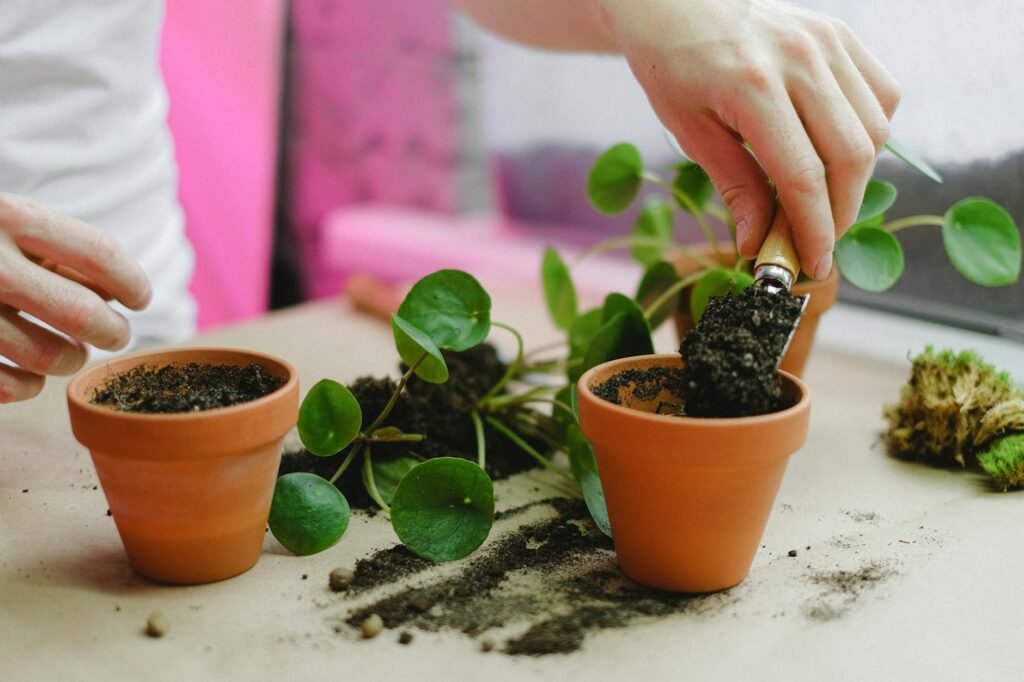
- S – Surface vs. core. Push a finger about two inches down and lift the pot. If the top is dry but the pot still feels heavy, the root zone is probably still wet. If the mix has shrunk away from the pot wall, it may be rewetting poorly. (extension.umd.edu)
- O – Oxygen path. Make sure there is an open drainage hole, no trapped water in a saucer or cachepot, and no oversized container holding too much wet mix. University of Minnesota guidance warns that potting up more than about 2 to 3 inches can increase root rot risk. (extension.umd.edu)
- A – Active roots. Slide the plant out if you can. Healthy roots are usually firm and light-colored. Trouble signs are brown or black roots, a mushy texture, or outer tissue that slips off easily. (extension.psu.edu)
- K – Key environment changes. Ask what changed in the last few weeks: a darker room, shorter days, a colder window, a heating vent, or a move indoors. Low light and temperature stress often reduce water use while the old watering habit stays in place. (site.extension.uga.edu)
- E – Excess salts and pests. White crust on the pot, brown tips, reduced growth, or wilt after feeding can point to salt buildup. Fungus gnats often point to media that stays too wet. (extension.umd.edu)
- D – Decide on the cheapest next move. If roots are firm, reset watering and the environment first. If roots are rotted or the crown is soft, repot, prune to healthy tissue, or take cuttings instead of adding more fertilizer or water. (extension.uga.edu)
Use the two-flag rule: if you find two or more excess-moisture clues such as a heavy pot, standing water, yellowing lower leaves, fungus gnats, salt crust, or dark roots, treat the plant as overwatered until proven otherwise. If the roots are still healthy, a watering reset may be enough. If they are mushy, move straight to rescue. (extension.umn.edu)
The lowest-cost fix depends on what you find
| What you see | Most likely cause | Lowest-cost first move | Typical out-of-pocket cost | What to watch next |
|---|---|---|---|---|
| Wilted leaves, heavy pot, yellowing lower leaves | Chronic overwatering or root loss (extension.umd.edu) | Stop watering, dump runoff, inspect roots if symptoms are spreading (extension.umd.edu) | $0 to $15 | The pot should start drying between waterings instead of staying swampy |
| Top looks dry, pot still heavy, roots circling the pot | Root-bound plant or compacted mix holding moisture unevenly (extension.umd.edu) | Repot into fresh mix and go only one size up (extension.umn.edu) | $10 to $25 | Water should move through the mix evenly rather than pooling or racing past the root ball |
| Brown tips, white crust on pot, wilt after feeding | Salt buildup from fertilizer or mineral-heavy water (extension.umd.edu) | Flush thoroughly from the top and pause fertilizer (extension.umd.edu) | $0 to $5 | New growth should stop browning at the tips |
| Wilt plus fungus gnats plus always-damp surface | Constantly wet media, often with poor drainage or trapped runoff (extension.umn.edu) | Let the mix dry appropriately and empty saucers promptly (extension.umd.edu) | $0 to $15 | Surface moisture should not linger for days on end |
| Droop started after a move to a darker room or a cold window | Lower light or temperature stress slowing water use and uptake (site.extension.uga.edu) | Move to better-matched light and water less often (extension.umd.edu) | $0 | The plant should stop worsening once demand and watering are back in sync |
The cost ranges above are illustrative household estimates for common indoor plants, not price quotes. The point is not precision. The point is order. A $0 drainage fix should come before a $20 purchase.
A realistic save-it-or-skip-it example
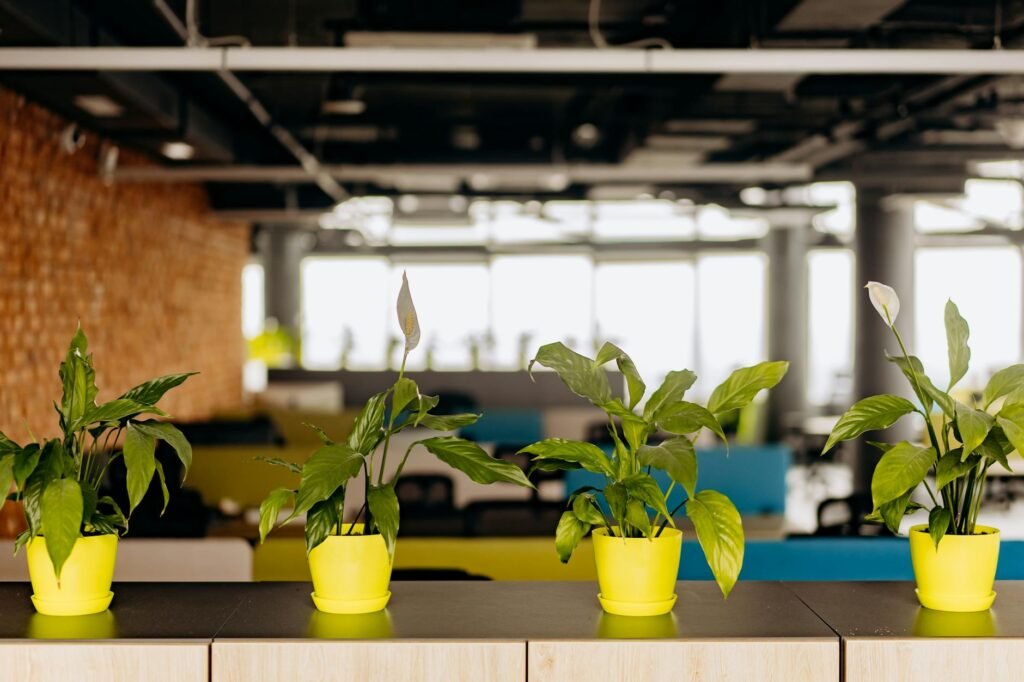
Composite scenario: a peace lily that cost $28 starts drooping in January. The owner sees wet soil, assumes the plant is hungry, and buys $12 liquid fertilizer, a $14 moisture meter, and a $19 self-watering insert. Total spent: $45. The real issue is simpler: the nursery pot is sitting inside a decorative pot with trapped runoff, and the lower leaves are already yellowing. Constantly wet media, not a lack of feeding, is driving the decline. (extension.umn.edu)
Cheaper path: spend $0 first to remove standing water and stop watering. If the plant still smells sour or stays limp the next day, unpot it. A $9 bag of indoor mix and a $6 nursery pot with drainage may be enough. Even if you trim a few soft roots, a roughly $15 rescue is better than piling more money into products that do not fix oxygen-starved roots. Few plants tolerate waterlogged roots for long, and oversized or poorly drained containers can make that worse. (extension.umn.edu)
What to do in the next 48 hours
- Stop watering. If the soil is already wet, more water is not useful evidence. (extension.umd.edu)
- Empty the saucer or cachepot and confirm the drainage hole is open. Never leave the plant sitting in runoff. (extension.umd.edu)
- Check the mix two inches down and lift the pot so you know whether the whole root zone is wet or only the surface. (extension.umd.edu)
- If you notice a sour smell, black or mushy roots, or a soft stem base, unpot the plant the same day. (extension.psu.edu)
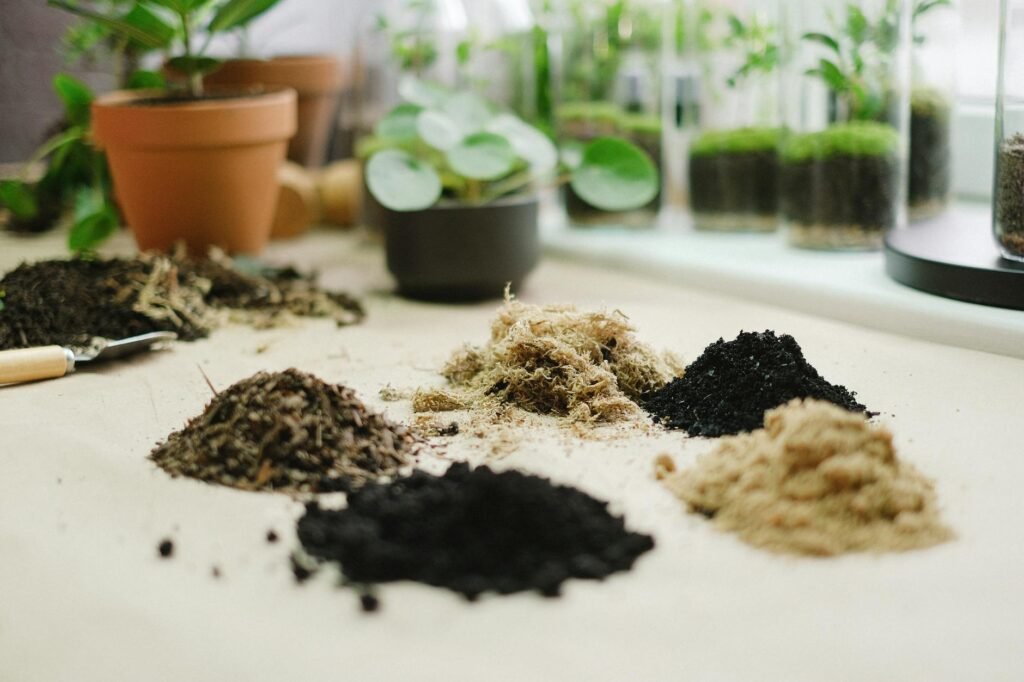
- Repot only if the evidence supports it. Use fresh, well-drained potting mix and a pot with drainage. If upsizing, keep the jump modest. (extension.umn.edu)
- Move the plant to the best light it tolerates, away from harsh drafts, and pause fertilizer until you see recovery or new growth. (extension.umd.edu)
When the first plan is not enough
Sometimes you are not fixing a watering habit. You are fixing a setup problem. If a plant lives in a pot without drainage, if runoff is trapped every week, or if an outdoor shrub sits in chronically soggy soil, the problem can keep returning. Wet conditions favor root disease, and advanced root rot is often hard or impossible to reverse. (extension.psu.edu)
Your backup options depend on what is still alive. Many houseplants can be cut back to healthy tissue or propagated from firm upper growth if the base is rotting. Landscape plants are different. Replanting the same species into the same drainage problem can lead to another loss, so improving drainage, planting higher, using raised beds, or choosing a better-matched plant may be the cheaper long-term move. (site.extension.uga.edu)
WarningThis guide is most useful for houseplants and patio containers. If a mature shrub or tree keeps declining in wet ground, consider local extension help or an arborist. Site drainage problems are rarely solved with more fertilizer. (extension.psu.edu)
Common mistakes that keep the plant drooping
- Watering on a calendar instead of checking soil depth and pot weight first. (extension.umd.edu)
- Assuming a dry surface means a dry root ball. (site.extension.uga.edu)
- Potting up far too much at once and leaving a small root system in a large mass of wet mix. (extension.umn.edu)
- Letting the plant sit in runoff inside a saucer or decorative pot. (extension.umd.edu)
- Adding fertilizer to a plant that already shows salt crust, brown tips, or root stress. (extension.umd.edu)
- Ignoring light and temperature changes that lowered the plant’s water use. (site.extension.uga.edu)
How to pressure-test your diagnosis
A good plant fix is measurable. Take a photo today, note whether the pot feels heavy or light, and write down what you changed. Then check for movement, not perfection.
- Within a few days, the pot should begin moving through a normal dry-down cycle instead of staying heavy all the time. (extension.umd.edu)
- New yellowing should slow down rather than spread. Persistent yellowing with wet soil points back to root stress. (extension.umd.edu)
- If the soil still smells sour, gnats worsen, or the stem base softens, you likely need a deeper root inspection or a more aggressive rescue. (extension.umn.edu)
- If nothing improves after you corrected drainage and watering, revisit light, temperature, root crowding, and salt buildup rather than repeating the same watering pattern. (extension.umd.edu)
Bottom line
Wet soil and thirsty-looking leaves are not opposites. They are often the same problem viewed from different ends: too much moisture damaged the roots, so the plant can no longer act hydrated. The money-saving move is to diagnose before you buy. Check the root zone, drainage path, light, and salt clues, then choose the cheapest fix that matches the evidence. (extension.umd.edu)
FAQ
Should I water again if the top inch is dry but the pot still feels heavy?
Usually not. University of Maryland and UMN both recommend checking deeper than the surface and using pot weight because the top can dry while lower media stays wet. Watering again can keep roots oxygen-starved. (extension.umd.edu)
Can a plant recover from root rot without repotting?
A mildly overwatered plant may recover if enough healthy roots remain and you correct the watering pattern. Once roots are brown or black, mushy, or the crown is rotting, recovery is harder, and some plants are better repotted, pruned to healthy tissue, or salvaged from cuttings. (extension.psu.edu)
Is a bigger pot a good fix for a droopy plant in wet soil?
Only if the plant is truly root-bound or the mix is exhausted. Potting up too far can leave too much wet mix around too few roots, which raises root rot risk. UMN advises increasing pot size modestly, not dramatically. (extension.umn.edu)
Why did fertilizer seem to make the problem worse?
Salt buildup can inhibit water uptake and, at high levels, draw water from root tips. Brown tips, white crust, reduced growth, and wilt after feeding are useful clues. Flush the mix and pause fertilizer before trying more product. (extension.umd.edu)
Do fungus gnats mean my plant is thirsty?
Usually the opposite. Fungus gnats are often associated with media that stays too wet or saucers that are not emptied. Fix the moisture problem first, then treat the gnats if needed. (extension.umn.edu)
References
- University of Maryland Extension – Overwatered Indoor Plants – https://extension.umd.edu/resource/overwatered-indoor-plants
- University of Maryland Extension – Watering Indoor Plants – https://extension.umd.edu/resource/watering-indoor-plants
- UMN Extension – Watering houseplants – https://extension.umn.edu/yard-and-garden-news/watering-houseplants
- UMN Extension – Winter houseplant tips – https://extension.umn.edu/news/winter-houseplant-tips
- UMN Extension – Spring houseplant care – https://extension.umn.edu/houseplants/spring-houseplant-care
- University of Maryland Extension – Selecting Indoor Plants – https://extension.umd.edu/resource/selecting-indoor-plants
- UGA CAES Field Report – Repotting Basics – https://fieldreport.caes.uga.edu/publications/C1240/repotting-basics/
- UGA Cooperative Extension – Houseplant Woes – https://site.extension.uga.edu/fannin-gilmer/2020/12/houseplant-woes/
- Missouri Botanical Garden – Overwatering – https://www.missouribotanicalgarden.org/gardens-gardening/your-garden/help-for-the-home-gardener/advice-tips-resources/insects-pests-and-problems/environmental/overwatering
- Penn State Extension – Root Rot in Woody Ornamentals – https://extension.psu.edu/root-rot-in-woody-ornamentals
- Penn State Extension – Pest and Disease Problems of Indoor Plants – https://extension.psu.edu/pest-and-disease-problems-of-indoor-plants
- Penn State Extension – Pythium – https://extension.psu.edu/pythium/